















The new SNCB wants to stimulate train travel in Belgium with a target of 30% more passengers by 2032. With this plan, the Belgian railway company aims to achieve an annual production of 89.5 million train-km by 2026an increase of 7,4% compared with the current service. This is a huge leap forward compared with the previous plan, which saw service increase by 2.8%.
More trains on weekdays and weekends
By 2026, the aim is to more than 2,000 additional trains per week. The improvements to the offer will take place in four phases December 2023, December 2024, June 2025 and December 2025. The success of the plan will largely depend on the recruitment of new staff and the delivery schedule for Alstom's new rolling stock.
The gradual renewal of the trains will offer passengers greater comfort, with 10,000 extra seats and improved accessibility for disabled passengers. 80% of the new carriages will also have air conditioning (compared with 65% today). As part of this plan, the ETCS system will be fitted to 100% of the trains on the SNCB. This system constantly monitors train speed, guaranteeing a very high level of safety and improved punctuality. The introduction of these additional trains will result in a improved rail services at more than half of the network's stations (280).
The plan covers developing the offer around major cities such as Brussels, Antwerp and Liège, with more frequent suburban trains, and on theimproved connections between major cities at weekends. For example, there will be 2 IC trains per hour at weekends between Brussels and Charleroi, Brussels and Mons, Brussels - Louvain and Liège, Courtrai and Bruges, and Antwerp and Louvain.
Nearly 50 suburban trains will circulate later on Friday and Saturday evenings, including 30 trains until after 1am from Brussels and Antwerp to various cities. The transport plan also calls for higher and more stable frequencies throughout the year, so that the same service can be offered during the school holidays, particularly on the Brussels suburban network.
Charleroi airport connected by train+shuttle
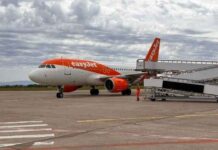
While 82 stations retain a direct connection to Brussels International Airport at Zaventem, Charleroi airport is becoming more accessible from many stations. This is thanks to the introduction of a 7-day-a-week IC Charleroi-Central-Fleurus (where the airport shuttle is based)-Louvain service. The same type of combined service will be deployed between Luttre station and Charleroi airport. This rail line came into service in June.

Finally, between now and 2026, SNCB will be deploying no less than 2,190 items of correspondence every hour between its trains, i.e. +12% compared with the current situation. SNCB will also be stepping up joint work with other operators (TEC, De Lijn, STIB) to develop intermodal transfer nodes. Today, 90% stations are less than 500 metres from a bus, tram or metro stop.
A stronger cross-border offering with the launch this winter of the train linking Liège, Maastricht and Aachen as well as a train on the Liège - Verviers - Aachen.
By 2032, SNCB plans to invest more than €1.8 billion in stations for greater intermodality, accessibility and comfort. The SNCB wants to increase the number of bicycle parking spaces by 50,000 to 164,000. The number of parking spaces will increase by 5,000 to 80,000. Finally, the company will double the number of stations accessible to disabled people.