
















Why set up a French branch of the GBTA?
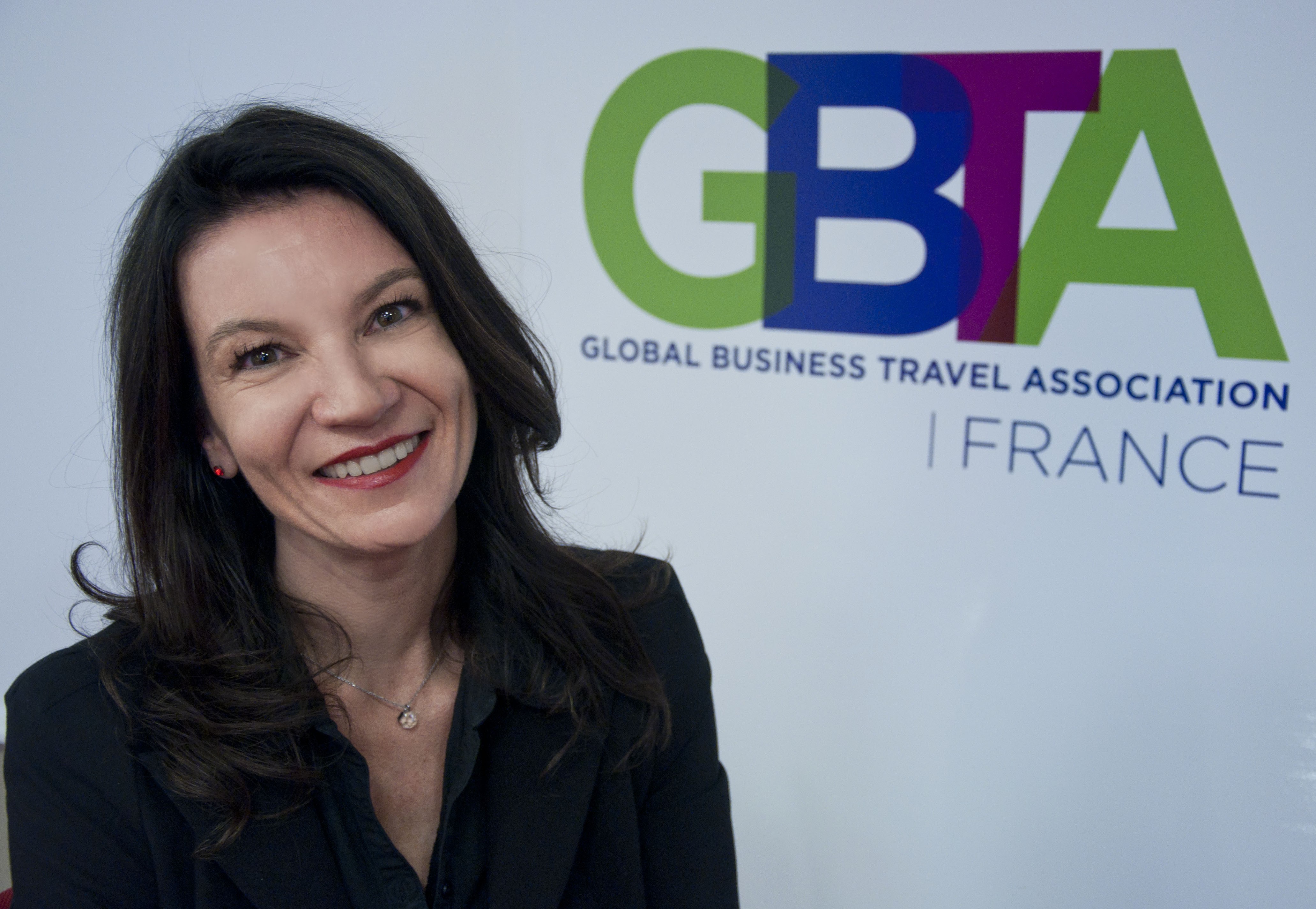
Carole Poillerat - On a global scale, the GBTA is ahead of the game on many issues, it knows how to spot new trends in the sector, and that's what the GBTA is going to bring to France. My job is to develop this purchasing maturity that we don't necessarily have in France, by drawing on international experience with players who are a little more mature in their purchasing approach. In fact, that's what I did in my job: I went to the United States to look for best practice, and then adapted it to Europe. So I'm in a very good position to explain how the GBTA can be used in France. It's easier to promote a strategy within your own company by drawing on international references and concrete examples of success in large companies. This lends credibility to the message, and that's what I want to convey to buyers in France, by advising them to rely on the association, its resources and its network. It's reassuring to realise that your colleagues are asking the same questions. The purchasing sector isn't always very well recognised, and it's a very internal function: going to meet your colleagues helps you understand that you're facing the same issues.
What is the association's approach to suppliers in particular?
C. P. - The association relies heavily on dialogue between suppliers and buyers. That's why the GBTA is open to suppliers, because a buyer-to-buyer discussion doesn't get anywhere, it quickly goes round in circles. I believe that the richness of the exchange lies in the participation of different profiles. In fact, we have suppliers and buyers on the Board, as well as 'meetings' and 'travel' profiles. To have real credibility in the meetings and events sector, you have to have worked in it, and travel people generally have no knowledge of this field. Many travel buyers inherit this responsibility without knowing where to start. There are indeed points in common, but some aspects are very different. The players and processes can be very different too. We need to 'educate' buyers on this subject.
What is the current balance between buyers and suppliers within GBTA France?
C. P. - Five of our board members are from the purchasing world, and four others are suppliers. Buyers currently account for 35% of our membership, and we aim to reach 40% by the end of the year. We have set a rule within the GBTA to maintain this balance: "one buyer, one supplier". We are not the only international association to operate in this way. Suppliers understand this very well, and it's the basis of a balanced relationship.
What are the benefits of taking part in the GBTA?
C. P. - Some suppliers are really committed and use their partnership with GBTA as a means of communication. This is an added value for the buyer. What's more, everyone wins when we standardise and harmonise processes: suppliers and buyers alike. In fact, we translate a lot of tender models. If everyone used the same models - which always revolve around the same elements at 80% - buyers would save time, particularly in the hotel industry. We've only been around for nine months on the French market, but we've been around for 45 years internationally! So I'm coming to the market with content. It's up to me to use the right elements for the French market, and it's also up to us to produce content from France.
How does the GBTA France office work?
C. P. - We have just recruited a Vice-Chairman, Ludovic Provost, who is currently Director of Purchasing Development for the La Poste Group. And I was recently confirmed as President of the GBTA France. I was fortunate to have been supported from the outset, and I was able to recruit to the Board people with whom I had already worked, with whom there was a relationship of trust, and I also met some great people. Today, we have a responsive, young and dynamic Board. There's no war, we're not forcing anyone. Everyone is very busy, but we are very united. We're learning to work as a team. Our profiles are very different, but we all share the same values: transparency, ethics, and a common desire to shake things up. Some of us are more adept at digital technology, and bring us their expertise; others are more experienced in communications and marketing, or in politics and lobbying. This diversity provides us with indispensable skills.
Do you think you can play a lobbying role in France, similar to the work carried out by the GBTA in Washington?
C. P. - Yes, but you have to go step by step. I can't lobby today with an association that has 82 members. You have to be a little humble, but it's important to be prepared. In any case, I believe that any lobbying action that makes sense for the industry must be based on solidarity, and therefore jointly involve the two associations present in France, the GBTA and the AFTM (Association Française des Travel Managers).
So can the GBTA and the AFTM speak with one voice?
C. P. - Completely. I have a very good relationship with the AFTM and its President, whom I respect a great deal, and I think the reverse is true. We bring different things to the table: he's very focused on travel management, and I'm very focused on purchasing and meetings. I'm convinced that an isolated lobbying action carries much less weight than two people working together.
What are the priority issues for GBTA France?
C. P. - In addition to the convergence between travel and meetings, we are also working on Big Data, cost savings, BYOD (Bring Your Own Device), the performance of the hotel programme, etc. We are also looking at other issues for next year, such as ethical purchasing. At the breakfasts we organise regularly, I try to invite people who don't necessarily come from the business travel or meetings sectors. The success of an association depends in particular on the variety of speakers and the occasional contribution from people outside the association. We're there to provoke discussion and debate, to move things forward.


