



















-6.1% in Western Europe, -12.3% in Central and Eastern Europe: the figures lined up by OAG consultant are indisputable. Airline capacity around the world is falling, and Europe is particularly hard hit. According to OAG, while airlines had planned a total of 59 million seats for the week of 31 August to 6 September, this figure actually stood at 58.4 million. More than half a million seats were withdrawn at the last minute.
At the same time, North-East Asia (China, Korea, Japan) and North America reported a drop in capacity of -2.6% and -3.5% respectively. Fears of a second wave of contamination in North-East Asia and the first hurricanes in North America contributed to these declines. OAG believes that a strong recovery in airline supply is largely at risk this winter. The British consultant believes that this offer will be characterised by a high degree of last-minute volatility. A factor that is likely to have a particularly negative impact on the recovery in business travel.
The European continent is losing colour
But it's theEurope by air, which is now the most affected and this negative trend is likely to continue. The increasing number of border closures (Denmark, Hungary, Slovakia) and new quarantine requirements (Germany, Belgium, United Kingdom) are having, and will continue to have, a major impact on demand.
Western Europe has lost more than 1.2 million seats since 3 August where capacity peaked at 12.64 million. Central and Eastern Europe has lost 425,000 seats since its peak on 17 August. Seat capacity this week stood at 11.4 million in Western Europe and 2.8 million in Central and Eastern Europe. Unsurprisingly, the worst affected European countries include Spain (-13%) and the UK (-7%). Croatia, Denmark and, above all, Hungary are likely to bear the brunt in the coming weeks.
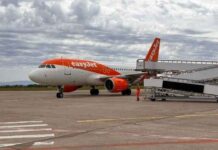
According to OAG, the closure of Europe's borders is particularly affecting low-cost carriers. The supply ofEasyjet was down 21.3% and that of Ryanair 16.4% from one week to the next. Wizz Air has announced a freeze on all capacity increases. The Hungarian carrier will maintain its capacity at 60% compared with last year. It had originally planned to increase its capacity to 80% by the end of the year.
Latin America in the spotlight
However, some regions are defying this deluge of gloomy news. South-East Asia saw a week-on-week increase in capacity of 11.6%. This was largely due to the resumption of international services to Malaysia and Singapore. In India, the government has finally authorised local airlines to add more flights, in the face of saturation on existing routes. This decision translates into an increase in seat capacity for the Indian sub-continent of 13.6%.
The reopening by Emirates, Etihad and Qatar Airways of intercontinental flights is also reflected in a 9.6% increase in seats in the Middle East. But the prize for growth is held by Latin America. The reopening of air routes in Central America brought more than a million seats onto the market for the first time in several months (+12.4%). The same trend can be seen in South America, where the planned capacity increase of 52% has enabled the region to regain more than one million seats this week.
More and more airlines and hubs are calling for the development of rapid tests to be carried out at airports.. A negative result would mean a very short quarantine, of 48 hours for example. This protocol, which could be adopted by all countries, would help to restore travellers' confidence.


