

















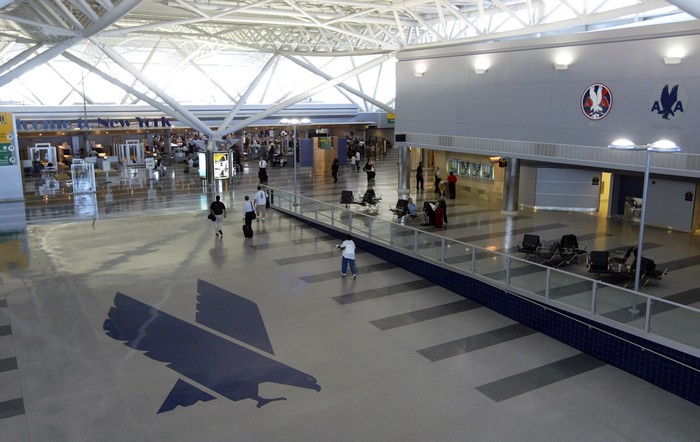
For business travellers who want to limit contact with the public. bacteria But beware of appearances: the riskiest areas are not the most obvious. That's right, BMC Infectious Diseases has published a study revealing the presence of a respiratory virus in 50 % of samples taken from plastic bins used to check hand luggage. Handling these bins by travellers is almost inevitable. Children's play areas and the window separating the customs officer from the traveller are also high-risk areas. Conversely, toilets represent a minimal risk, as the authors of the BMC survey did not detect any respiratory viruses in the various toilet samples.
10 % contaminated surfaces
The study published on 29 August was carried out atHelsinkiin Finland. Surface and air samples were taken every week at three different times during the period when influenza was most widespread. The BMC survey checked for the presence of numerous viruses, including influenza A and B, and rhinoviruses. Scientists detected the presence of pathogenic viral nucleic acids in multiple locations throughout the airport. This means that there is a potential risk of contamination of the surfaces tested by a respiratory virus. 10 % surface samples showed evidence of at least one such virus. So single-use gloves or preventive treatments: every business traveller has his or her own technique for avoiding contamination...


