









The refreshing thing about the English language is that effective, 'impactful' and even terribly marketing neologisms flourish all year round. In the business travel category, here's a look at some of the new start-ups, bleisure features prominently for several months now, if not years. The clever contraction of 'business' and 'leisure' sums up in eight letters the an increasingly common mix of business and leisure travelIt's the perfect balance between professional and personal activities. The problem is that, from a quick visit to a museum between two meetings to an extended stay with wife and children, the concept brings together very different activities. And the implications for companies are not the same...
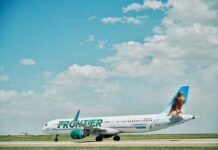
The players in the market are taking it in turns to be the cradle of this newcomer to business travel, scrutinising the expectations of these professionals who juggle meetings and tourism throughvarious studies and various. Aware that her positioning gives it some strong arguments to put forward in this new segment, Transavia also lent itself to the exercise. The low-cost airline turned to the CSA, which questioned 304 French business travellers aged 25 to 55 and have made at least one business trip by air in the last 12 months.
It's all about logistics
The results of the poll are unequivocal: 85% of business travellers have already taken advantage of a business trip to go sightseeing locally. Half of those surveyed even practise bleisure systematically. Discovering the local gastronomy is the most common, practised by 90% of these travellers. This is followed by city tourA whole range of activities are involved, from simple relaxation to discovering the nightlife. In 60% of cases, bleisure consists of extending the stay, and in a smaller but nonetheless significant proportion (50%), joining friends and family. "Work or leisure: why choose?"asks Transavia. "This is one of the secrets of the modern business traveller: get organised so that you're never a prisoner of your timetable, keep a dose of flexibility so that you can react to the unexpected and reserve extra-professional activities for yourself! In a nutshell, it's all about logistics"says the airline in its study.
And what about the employer? Perhaps one of the key findings of the study lies in the accepted nature of bleisure. Transavia notes that "78% of those surveyed are not afraid to say that they take personal time during their business tripswithout fear of judgement from their colleagues".. "When there's discomfort, there's no bleisure"We might be tempted to summarise. If these new-style business travellers dare to 'bleisure' without feeling guilty, it's largely because work no longer stops when you leave the office. Indeed, 76% of respondents answer their work emails and calls outside working hours. "When I get back from holiday, my e-mails are more or less up to date!" says Hervé KozarChief Commercial Officer of Transavia.

This rapprochement between work and free time is also reflected in the increasing autonomy given to travellers in the preparation of their business trips. The Transavia study notes that 59% of respondents book their own flights. The figure rises to 63% in the accommodation sector.
While the concept of bleisure seems to be well accepted by travellers, employers now need to get to grips with the phenomenon. "There is as yet no real clear policy within French companies on 'bleisure travel', but the practice is already accepted as part of everyday life: it's uninhibited and taken for granted."sums up the study, which warns: "The 'bleisure travel' trend is still in its infancy and is set to become more widespread in the years to come, presenting employers with new challenges.".


