


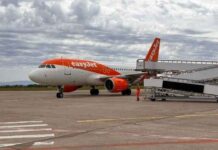
















WhileeasyJet announced on 14 July the launch of a European subsidiary in Austria in the run-up to Brexit, it seems that all British companies have equipped themselves with a "Plan B or are more or less safe from the UK's withdrawal from the European single market. The simplest case is that of Ryanair. Although the company's biggest business is in the United Kingdom, it is based in Irelanda member of the European Union. Its European Union/United Kingdom flights will therefore be subject to a forthcoming bilateral agreement on air transport between the two protagonists. The most sensitive area for Ryanair is domestic services within the UK, such as London-Scotland and London-Northern Ireland. Ryanair will eventually have to obtain an Air Operators Certificate from the UK authorities to operate routes within the UK.
Another simple case is that of Virgin Atlantic which only operates long-haul routes from the UK, so is not subject to the legal constraints associated with Brexit.
The headquarters of the IAG group, which includes British Airways and Iberia, is based outside the UK, in Madrid. In addition, the entity operates three companies already based in Europe - Iberia, Vueling and Aer Lingus. More than 50% of the company's shares are in the hands of investors registered in Europe - including for Qatar Airwayswhose 20% market share is in fact in the hands of a Luxembourg subsidiary.
Last week, the CEO of IAG, Willie Walsh was before the Transport and Tourism Committee of the European Parliament to argue in favour of a open skies agreement between the European Union and the United Kingdom. Willie Walsh urged parliamentarians to adopt an agreement that is as liberal, or even more liberal, than the open skies agreements governing routes between the EU and the USA or Canada.
" Such an agreement would enable airlines on either side of the Channel to operate routes between and within the two territories."says Willie Walsh. He also points out thata rapid solution must be found. Timetables, air capacity and routes are generally set a year before they actually come into force, for planning and marketing reasons. This would mean thata solution should emerge before 31 March 2018a year before the UK officially leaves the European Union. It is likely that an agreement could give companies on both sides of the Channel a temporary period in which to make the necessary adjustments. smooth transition.


