

















At the end of April, the company Air Berlin presented its results for the first quarter of 2017. This was an opportunity to demonstrate the severity of the cure administered at the time by the airline's management, in a last-ditch attempt to save the carrier: the fleet was down by 45%, with 75 aircraft instead of 136 in 2016; the number of air routes fell from 387 to less than a hundred, while the total number of passengers expected over the year should be around 19 million compared with 30 million at the end of 2016, a down 41% year-on-year. Revenues were down by 7.3% while the average ticket price continues to fall. Still at €120 in 2015, it fell to €115.5 in 2016 and €112.8 in the first quarter of 2017.
one of the few countries in Europe where two major airlines operate side by side
Air Berlin's future remains clouded since the bankruptcy of the company. In line to take over the company's aircraft and network are Easyjet, Ryanairthe investor Hans Rudolf Wöhrl (founder of the Nürnberger Flugdienst carrier) and Lufthansa. But the government favours thea major hub around the national airline to ensure the continued existence of the German flag. The Wöhrl solution, which would like to take over Air Berlin in its current form? The government no longer believes that such an airline is viable. Germany is currently one of the few countries in Europe where two major airlines coexist.
At the end of last week, Lufthansa presented its takeover proposals to Air Berlin's management board, but these were not made public due to the legal status of the bankrupt company. However, according to leaks revealed by the German press, it seems that Lufthansa would recover only 90 aircraft, including the 35 aircraft it already leases. It will be giving up around fifteen Boeing 737 and turbo-prop aircraft.
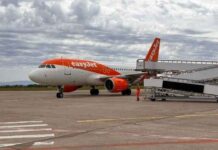
Easyjet could, however, recover part of its Austrian subsidiary Nikiwhich could be part of a new turntable in Vienna for the British airline. A logical development which would support the easyJet's decision to establish its new European headquarters in the Austrian capital.
Lufthansa's takeover of part of Air Berlin's aircraft and network would be a major step forward. strengthen Eurowingsthe German giant's hybrid subsidiary. This solution would particularly benefit theDüsseldorf airport. Air Berlin has a market share of over 30% and has made the Rhine metropolis its main hub, with around ten intercontinental routes to North America and the Caribbean. It's not certain that Lufthansa will keep this hub in America, as it would also be in the process of closing it. competition with Eurowings' long-haul network in Colognejust 60 km from Düsseldorf.
The biggest loser is probably Berlin airport
The biggest loser is probably Berlin airport. The airport was another Air Berlin hub, mainly for Europe. Lufthansa's management has already announced that it has no intention of developing a hub there, and the facilities created for the future Air Berlin hub at the airport will not be used. new airport are likely to seem quite obsolete. Air Berlin accounts for 28% of Berlin airport traffic this year. However, some slots and aircraft could be sold to Easyjet, which already has a strong presence in Berlin.
Remainder RyanairHowever, it is unlikely that the government or airports will be in favour of a massive expansion of the Irish carrier. In fact, Ryanair is already crying foulAir Berlin's court-ordered receivership is totally out of the question. biased to keep it out of the running.


