















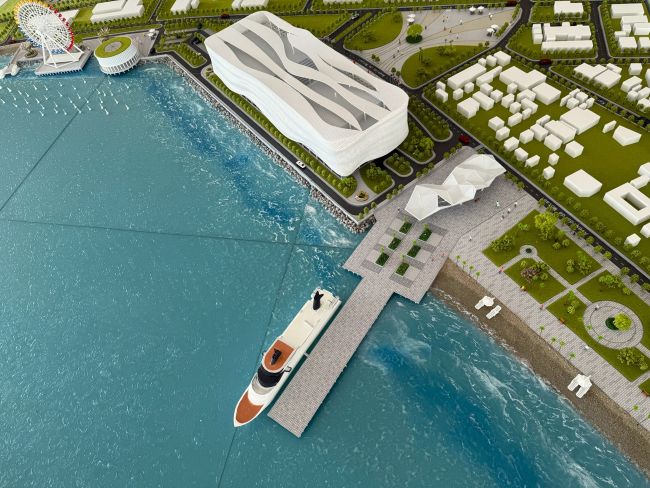
A newcomer to ASEAN and rich in ambition: the East Timor On 20 May, France took a new step in its tourism development strategy. The country officially launched the construction of its future International Congress Centre in Dili, the capital, in the presence of its Prime Minister - the very man who led the country to independence in 2002, Xanana Gusmão. This flagship project will strengthen its position in the business tourism market before taking over the rotating presidency of ASEAN in 2029.
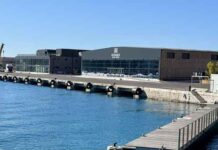
Located on the seafront of the old port of Dili, the future complex will include a large convention centre with conference rooms, auditoriums and exhibition spaces, accompanied by a new hotel. The project also includes a significant leisure component with a promenade along the pier, an aquarium, a Ferris wheel, as well as a district dedicated to shopping, dining and entertainment.
This new infrastructure is a key element of Timor-Leste's preparations for its accession to the presidency of theASEAN in 2029. It will notably allow the hosting of the main regional events linked to this presidency, including the ASEAN Summit of Heads of State, as well as the ASEAN Travel Forum (ATF), the major annual event for the tourism industry in Southeast Asia.
" Alongside our commitments within ASEAN, this new convention centre will give a considerable boost to Timor-Leste's tourism sector by allowing us to organise large international meetings and events.last January, stressed Antonio da Silva, Director-General of Tourism, during the ATF.
Structural weaknesses
Despite these ambitions, Timor-Leste remains one of the least visited destinations in Asia today. The government estimates that the country welcomed approximately 45,000 international visitors in 2025, up from 26,000 in 2024, an encouraging increase but still a long way from the levels seen in its Southeast Asian neighbours.
The country's official accession to ASEAN last year, however, fuels hope for a change in scale. The authorities have set an ambitious target of 200,000 annual visitors by 2030, but acknowledge that several structural challenges will need to be overcome to achieve this.
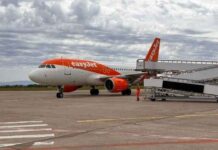
Infrastructure remains the main obstacle. Outside the capital, the road network is still largely inadequate, with many roads in poor condition, sometimes damaged by landslides or still under construction. International air links are also limited, resulting in high air fares: a return flight between Singapore and Dili costs at least US$600. The same as a flight to Australia!
In the near future, flights are planned to Bangkok and Kuala Lumpur, but the rise in the price of kerosene since the Gulf War has temporarily dampened the enthusiasm of new airlines.
The hotel sector is another weak point. East Timor has around 2,400 rooms, mainly concentrated in Dili, but only just over 500 currently meet the standards expected by international tour operators, according to Antonio da Silva. Only one establishment bears the name of an international brand: the Hilton Dili Palm Springs with 150 rooms.
However, the new convention centre is part of a vast investment programme intended to modernise the country's infrastructure by 2029. Key projects include the modernisation of Dili International Airport for US$300 million, the transformation of Tibar Bay port into a cruise terminal, and the redevelopment of the capital's waterfront. This aligns with Timor's aspiration to become Asia's ultimate tourist frontier – for both business and leisure.


