














Everyone is now communicating around the theme of sustainable development. But what are your concrete commitments?
Pierre Caussade, Director of Environment and Sustainable Development at Air France
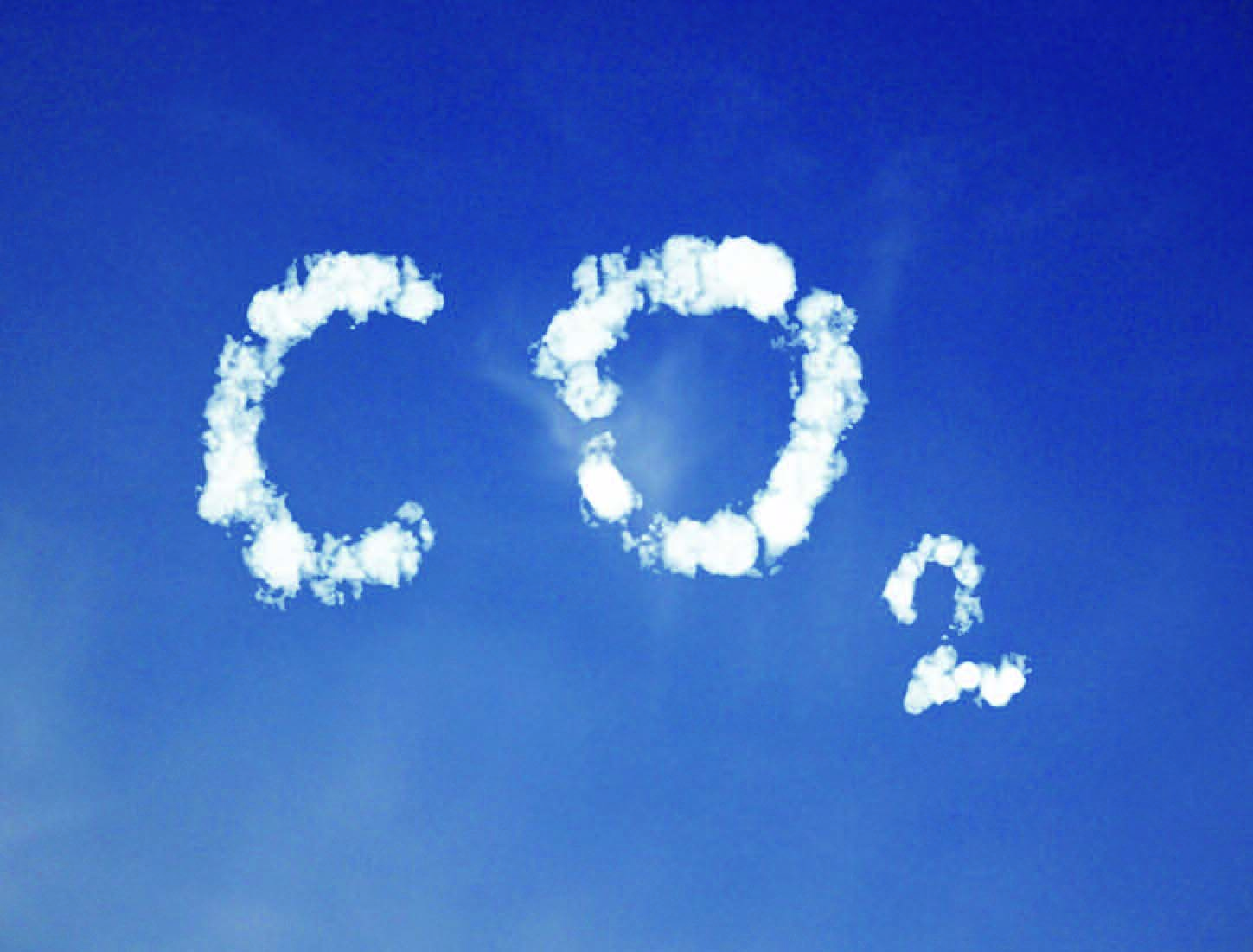
"The airline industry is often singled out when it comes to pollution: we account for 3 % of CO2 emissions, yet the media focus 15 % of their articles on the subject on us! Airlines no longer want to be seen as "bad polluters". After a long period of work that began over a year ago, we, the airlines - along with partners such as airports and aircraft manufacturers - have come up with some proposals. What are these commitments? First of all, the commitment to continuous improvement in energy efficiency, but above all the firm and definitive commitment to a cap on our emissions, with a target of less than 50 % by 2050".
Thierry Thauvin, Director of Web and Agency Sales for the Accor Group
"We have been committed to sustainable development for quite some time, with the creation of an environmental department in 1997. In 2006, the Novotel Montparnasse was the benchmark for defining the HQE standards for the hotels of tomorrow. Another innovative project is our 100 "solar hotels" in France, with installations that should cover 50 % of hot water needs. We have also launched a 65-point environmental charter. Each hotel must obtain at least 40 correct answers to be named a "green hotel".
Philippe Fournier, Managing Director of MCI and Chairman of the National Association of Event Communication Agencies (Anaé)
"ANAé has been very involved in sustainable development for some years now. We wanted to be pragmatic and provide all stakeholders - agencies as well as suppliers, destinations and hoteliers - with practical information sheets to help them keep up with this theme. In addition to the ANAé charter, we have also launched a large number of training courses on sustainable development for events.
Elmar Ledergerber, Chairman of Zurich Tourism and former Mayor of Zurich
"Today, a new building in Zurich consumes ten times less energy than it did in 1970. This is all the more fundamental given that the building sector accounts for 50 % of energy consumption. The second sector is traffic, which accounts for 35 % of total consumption. In Zurich, we have invested a great deal of money in traffic throughout the metropolitan area over the last 40 years. As a result, 60 % of commuters take public transport to work in Zurich in the morning. For us, this is a strong argument, and we're really trying to position ourselves as a green city with assets to put forward: we've been voted top of the Mercer quality of life rankings seven times, and we're in a privileged position. Zurich is a compact city, surrounded by greenery, mountains and lakes with the quality of drinking water".
Emmanuelle Weiland, Sustainable Purchasing Project Manager, SNCF
"Our mission at the SNCF is to integrate sustainable development at all levels of the purchasing value chain. In July, a training course was launched to raise awareness among the 730 SNCF buyers of how to integrate sustainable development. The idea is to roll out the 'sustainable purchasing' approach at all levels: management, behaviour and purchasing processes. We have set up a "sustainable and socially responsible purchasing" dashboard with performance indicators. For example, we have just redesigned our inspectors' uniforms, with shirts made from Max Havelaar fair-trade cotton and bearing the Oeko-Tex label... The same applies to street vending, on-board catering, waste management, cleaning of rolling stock...".
What about your customers? Do you sense a real demand for these issues?
Philippe Fournier
"Today, some major French and international companies systematically include a sustainable development approach in their invitations to tender, for themselves, for the agency and for all the service providers involved. What's more, we're urging our members to take steps to raise customer awareness, not only of environmental issues, but also of social and community issues.
Christophe Renard, Vice President, Business Intelligence, Carlson Wagonlit Travel
"In the world of business travel, sustainable development is a much-talked-about subject, but we have to be honest: in practice, not much is happening. We carried out a survey of travel managers to find out what their priorities were, and the environment came bottom of the list. This issue only influences the choice of suppliers for a small number of companies. Awareness is growing, but the economic criterion is still predominant, and the crisis has not helped matters. But it should be remembered that, depending on the company, the CO2 emissions produced by business travel can be more or less significant. For some companies, it can be less than 1 %, while for others, particularly in the services sector, it can be 15 to 20 %."
Jérôme Drevon-Barreaux, Chairman of the Association of Corporate Travel Executives (Acte)
"I'd like to qualify that slightly. There are, of course, companies that remain absent from this debate, but there are others that understand that sustainable development can be a differentiating factor. We're trying to get this idea across with Acte, which has been committed to sustainable development since 2004.
And do you, as customers, manage to get your suppliers to move?
Emmanuelle Weiland
"Our suppliers are waiting for signs from their customers on the subject of sustainable development. That's why it's important to include these requirements in the specifications: they're waiting for this type of signal before they can get going and make proposals in line with customer demand. It's very much a 'market economy': you need demand for supply to develop. And that's where we have a role to play as buyers.
Pierre Caussade
"This is a very strong sign. We are all each other's customers and suppliers. And it's also the pressure from our customers that got us moving. As soon as a few leading companies get involved in this movement, it creates a ripple effect. It is essential to ensure that suppliers are also committed to progress: what would be the point of the responsibility commitments made by major groups like SNCF or Air France if, deep in Burma, we were making children work to make our uniforms? Sustainable development therefore requires purchasing charters.
Philippe Fournier
"That's why we're trying to promote a proactive approach within ANAé, we want to say to our customers: here's what you can do, and here's what the outcome of your event will be after you've been there".