














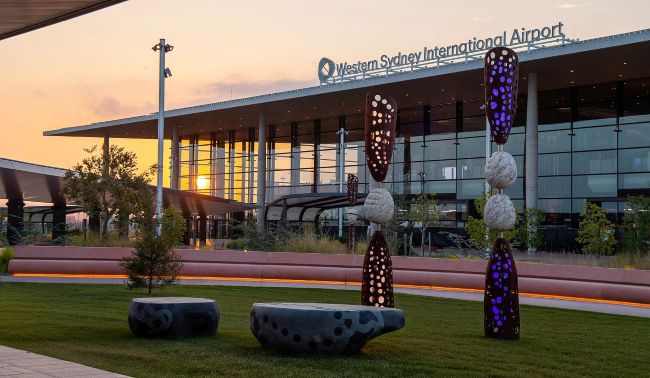
This is a recurring theme in all new airports around the world. While the airside terminals and runways of the new platforms are well prepared to receive aircraft and passengers, the ground infrastructure is generally what stands out for its absence. This is the case with the future Ho Chi Minh City-Long Thanh airport, scheduled for December, and Noida International Airport, designated as the second airport to serve New Delhi.
It is often in Asia that the lack of dedicated public transport is most evident. One can think, for example, of the Clark airport in the Philippines, located 80 km from Manila. Considered an alternative platform for low-cost flights in Manila NAIA, it is nevertheless more than two hours’ drive from the capital, given the endemic traffic jams in the city. The same scenario applies to the new airports in Siem Reap and Phnom Penh-Techo in Cambodia. It takes more than an hour to reach the first by a traditional road and at least 45 minutes for the second…
It is also, in a surprising way, given the effectiveness of the Australians, the case of New airport of Western Sydney International (WSI). Opened on October 25, this airport, which will eventually become the main airport of the capital of New South Wales, is located about 45 km west of the city center. Accessing it will remain complicated for at least another year...
A dedicated metro line should not actually be put into service until 2027. Until then, travelers can certainly come by public transport but with reduced frequency.
From Sydney Central Station, the fastest option by public transport is to take a train to Penrith, then a bus. The journey takes about an hour and thirty minutes and costs nearly 10.31 Australian dollars (6.50 €). Alternatively, you can take the same train from the city centre to St Marys, 20 km from the airport. From there, the traveler can take a free WSI Link shuttle, which runs every 30 minutes.
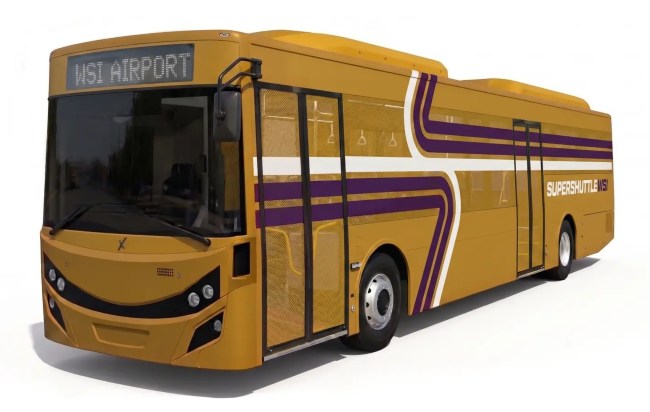
Faster but more expensive, the Super Shuttle WSI offers a simple trip to the center of Sydney for about 55 Australian dollars (35 €) and 80 Australian dollars (50 €) for a round trip. The transfer takes between 45 and 60 minutes.
A taxi ride to Sydney’s Central Business District costs more than 125 euros (190 A$), according to information collected online. The assessment is difficult because, unlike the other Sydney airport, WSI does not impose a price cap…
Few frequencies until spring 2027
Currently, the best asset for business travelers visiting Sydney is to continue using the current Kingsford Smith airport. Moreover, WSI actually offers only a few flights.
The inaugural flight of the new airport was that of Qantas' low-cost subsidiary, Jetstar. The company connects Western Sydney with Melbourne, the Gold Coast and Brisbane. However, Jetstart offers only 14 weekly flights to Melbourne, a daily service to the Gold Coast and three flights per week to Brisbane, for a total of 24 weekly departures.
The first airline to launch from WSI, Air New Zealand began its flights to Auckland on October 26, with three weekly rotations. From November 23, the carrier will be joined by Singapore Airlines, which will offer a daily connection to Singapore.
The year 2027 will see more flights. Two weekly flights from Vietjet to Ho Chi Minh City have already been announced as of January 9, three weekly flights from Fiji Airways on March 19, followed by eight weekly flights from QantasLink, four to Melbourne and four to Brisbane on March 28.
Latest announcement: Qatar Airways announced this week that it will launch three weekly flights to Doha starting December 2027. The Qatari carrier plans to operate daily service starting 2028. That means a total of 50 weekly flights according to all these announcements. That’s an average of seven flights per day! Which will leave time to complete the express metro connection…
Indicative base of 1 Australian dollar = 0.629 euro, as of October 27, 2026. The rates have been rounded off.