



















For OAG, the 28th week of traffic under the covid-19 effect saw a further increase in air capacity worldwide, albeit at a slower pace than initially forecast. OAG recorded 57.5 million weekly seats for the week of 27 July, i.e. around 48% of last year's capacity.
Long-haul at half-mast
This increase in capacity remains essentially intra-continental, with OAG noting that long-haul traffic remains at historically low levels. Blame it on the closure of borders in many countries, particularly the USA, Brazil, Japan, China and Russia. These countries generate major international traffic flows.
According to OAG, at the end of July, weekly capacity on long-haul routes reached 16% of that recorded at the same time in 2019. This figure has been virtually flat since April. In figures, this translates into just over 1.2 million weekly seats on major intercontinental routes, compared with just over 8 million seats in 2019.
It is unlikely that there will be any improvement in the short term, given the virulence of the pandemic on the American continent and the increased circulation of the virus in Asia and Europe.
Positive impact of low-cost in Europe
However, there has been an upturn in Europe. OAG reports that capacity on routes in Eastern/Central Europe is now at 80% of its pre-crisis January level. This recovery is set to gather pace with the return of international services to and from Russia from August onwards.
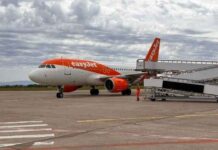
As a result, air traffic in Western Europe is back on track, with week-on-week growth in the number of seats up 10%. With 10.46 million seats available, OAG reports that capacity in Western Europe is back to 56.9% of last January's seat capacity.. The European continent has benefited in particular from a rapid increase in flights by low-cost carriers Easyjet and Ryanair.
Excluding Europe, North-East Asia achieved 80% more seat capacity than in January. But this performance is due to the resumption of flights on domestic routes in China, Korea and Japan.
However, the clouds are once again gathering over the airline industry. The appearance of new outbreaks of contamination around the world, many of them in Europe, will certainly weigh on passenger demand. Traveller confidence is likely to be undermined once again by the peaks in Covid-19 activity. OAG predicts that the number of seats will reach 60 million by the end of August, ten million fewer than in its previous forecasts..


