















Report and photos by Florian Guillemin.
If you have an hour...
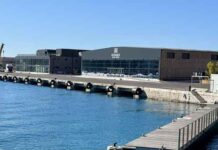
It's hard to resist the call of the sea after a morning of meetings. The seafront is within easy walking distance of the town centre. On this vast promenade lined with palm trees and hotels, it's easy to stroll along and watch the more or less experienced fishermen. On the ground, the kilometre markers of the Beirut Marathon guide the runners, who can also tackle the corniche to reach THE postcard of Beirut, the rocher aux pigeons. In terms of culture, the National Museum and the Sursock Museum - one devoted to archaeology, the other to modern art - are the most renowned. The Yellow House "Beit Beirut offers an original alternative. This architectural icon, which was transformed into a hideout for snipers during the civil war, has now been transformed into a museum and arts centre in a modernised setting of ruins.
... or an afternoon
The 'classic' half-day getaway involves a trip to Jbeilhistorically known as the Byblos. The Unesco-listed site is well worth the hour's journey. Halfway along the route, the Jeita cave and its striking colours are also well worth a visit. In winter, Mont Liban offers its slopes to skiers.


Shopping

The city centre's shop window is the souks, which have been somewhat sanitised by a modernisation plan. Taken by storm by the big Western chains, a few local products have resisted the invaders. Every Saturday, the Souk El Tayeb is home to a market featuring organic and local produce, promoting 'living together' between the capital's different communities. Around Downtown, the Saïfi and Gemmayzeh specialise in art galleries and designer boutiques respectively.


