
















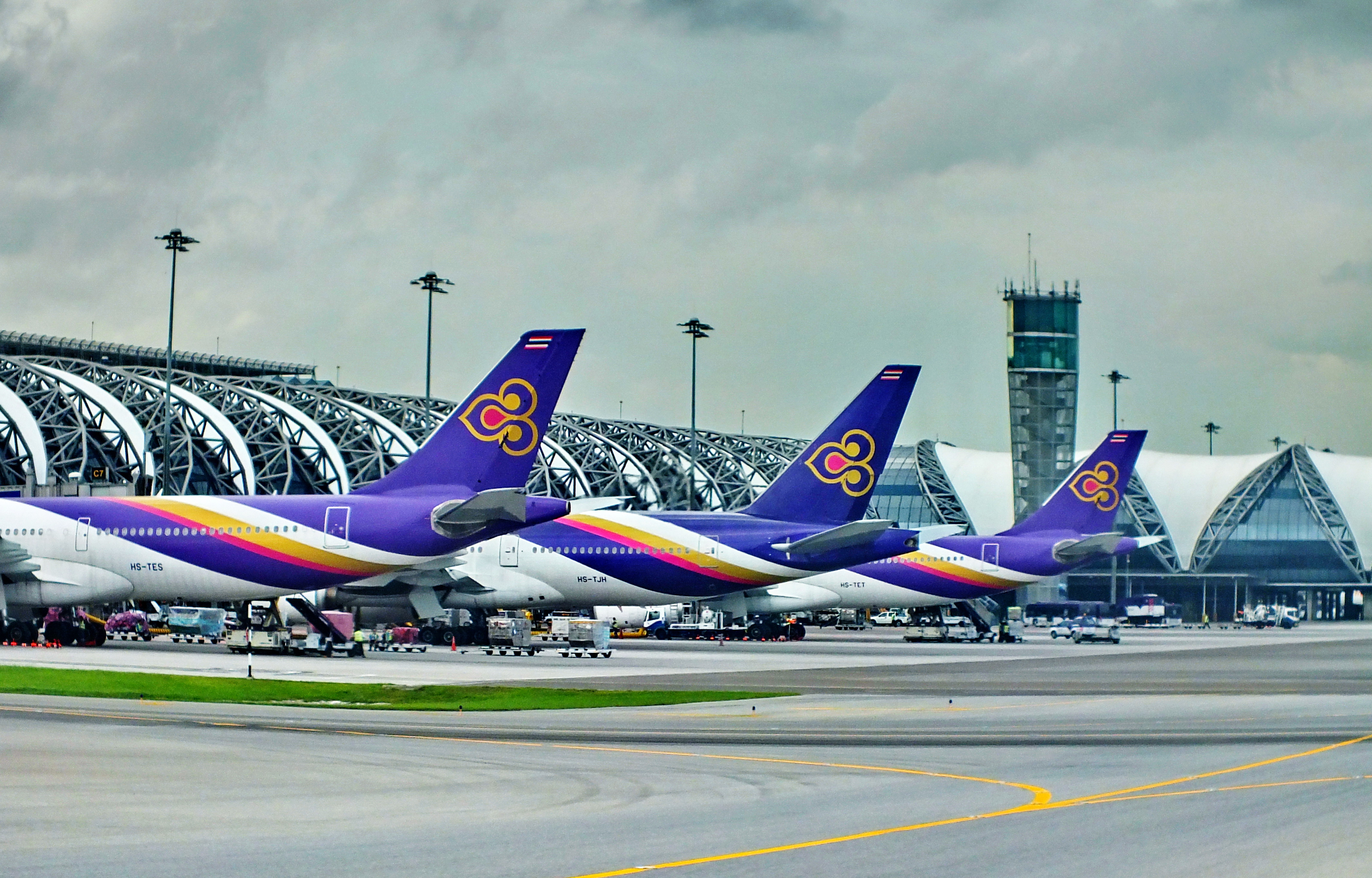
Thai Airways International is in the midst of a restructuring process, which has seen it reduce its European flight schedule from two daily frequencies to London Heathrow and Frankfurt this summer, after Paris CDG, and cancel its flight to Madrid in September. A report commissioned from Thailand's civil aviation authority on the measures implemented to improve licensing and safety control procedures was rejected by ICAO, the international organisation in charge of civil aviation, at the end of March. The ICAO considers the report to be more than inadequate. As a result, many civil aviation authorities are in an uproar. Starting with Japan, Korea and China, which have decided to suspend all charter flights with Thailand and freeze all new developments. As a result, at least 150,000 passengers have been left stranded and the low-cost airlines NokScoot and Thai AirAsia X have been banned from opening new routes. This decision has also been taken by Singapore, whose authorities will not be allocating new frequencies to Thai carriers.
As far as Europe is concerned, the European Union is keeping a close eye on the matter and could, if no measures are taken quickly, ban Thai airlines from European skies. This would mean a sharp reduction in direct seat capacity between the EU and Thailand. According to Flightmaps-Innovata statistics for May 2015, Thai Airways International accounts for 49.6% of all seats offered between all of Europe and Thailand. And in many EU countries, this figure flirts with between 70% and 100% of supply. This is the case in Paris, where the number of seats offered by Thai represents 72% of the total offer.
Will it come to that? Probably not. Because finally, the Thai authorities have realised the urgency of the situation. The Prime Minister, General Prayut Cha-o-Chan, who has been in power since the military coup in May 2014, has even acknowledged that the fault lies with the various governments that have succeeded one another over the past decade. Civil aviation staff numbers have remained stable for more than a decade, while the number of flights has doubled from 300,000 to more than 600,000 in ten years.
The Prime Minister has decided to invoke Article 44 of the Kingdom's provisional constitutional charter to put the Thai Civil Aviation Authority in order. This article allows him to act without having to go before the House of Representatives. This will make it possible to release budgets, restructure the Thai DCA and even hire foreign experts to bring the agency up to international standards. The ICAO's verdict at the end of May will determine whether Thailand has succeeded in rejoining the ranks of nations that correctly ensure their air safety...