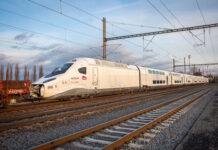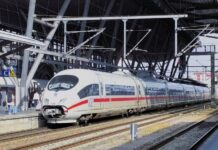

















Faced with the travel restrictions imposed by the containmentthe SNCF is revising its programme. The railway company will be significantly reducing its offer, which will be limited to 30% service on the TGV network from 5 November. The high-speed offer therefore remains more consistent than what was put in place during the first episode of confinement - when the long-distance service only operated at 15% during the first few days - but things could change: " Further adjustments may be made over the coming week, depending on the level of traffic. "SNCF management has already warned. Internationalsupply is also greatly reduced: Thalys reduced its operations from 2 November à 30% of the usual serviceand Eurostar only works at 15%. Trains IntercitésSNCF plans to maintain " 1 to 2 daily return trips on the main routes and regional development routes ".
In addition, the date of 5 November also marks the arrival of the first cabins Mobiltest These are screening booths, which will initially be set up on the forecourts of two Paris stations: Gare de l'Est and Gare de Lyon. The stations of Marseille (November 12), Bordeaux (12 November) and Rennes (18 November) will also be equipped at the same time. Each of these mobile units, supplied for a minimum of six months by Loxamed, houses an administrative officer and a healthcare professional, who will carry out the PCR tests. Mobiltest's capacity reaches 200 people a day. Travellers will be able to access free of charge Monday to Saturday (9 a.m. to 5 p.m.), provided they have registered in advance on the dedicated website. The SNCF cites a 24 to 72 hours for receiving resultswhich will be notified by SMS in the event of a negative test. Travellers identified as positive will be called back by a TeleDok doctor, who will provide medical support. " Stations, which serve the public interest, are effective places for get tested during your mobility programme "Marlène Dolveck, Director General of SNCF Gares & Connexions, points out, warning: " If this test on the outskirts of these five stations is conclusive, we could imagine increase the numberin agreement with the public authorities, on theentire territory ".