



















The stricter containment measures introduced in Germany at the end of December has now been extended to the end of January. The country is facing a sharp rise in cases of covid-19 for three weeks and seems to have lost control over the spread of the virus. All non-essential shops are now closed, as are restaurants, cafés and cultural institutions. The rules apply to the whole country, with some variations from one Land to another.
Among the measures recently adopted are a reduction in the number of people who can meet and a ban on travelling in a car. 15 km radius for the districts and towns hardest hit by the pandemic. This could soon include the city of Berlin, which has been particularly hard hit by the pandemic.
Faced with this seemingly endless confinement, the Deutsche Bahn is drawing the consequences. Since the end of last week, the German rail company has reduced its services on long-distance routes. According to a press release from the operator, "Deutsche Bahn is offering its passengers around 85 % of its normal seat capacity until further notice".
For example, the company has consolidated trains on very busy lines from two to one frequency. Or the latter run with a reduced number of cars per convoy.
Limited changes for France-Germany traffic
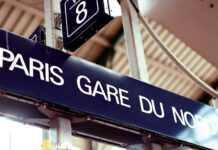
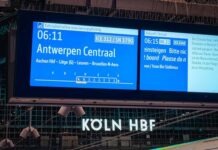
For the international trafficDB has reduced its transport gauge in consultation with its European counterparts. About France, the German rail company will continue to operate two ICE trains from Paris. The first runs to Frankfurt, the second to Stuttgart. The SNCF offers up to three trains a day between Paris and Germany.
Adjustments have also been made on regional lines. The changes remain minimal, however, as DB wishes to preserve a large number of connections.
At our conditions for changing tickets are stricter than on SNCF lines. The lowest tariff, referred to as the " Super Sparpreis "No changes are permitted. Nor is there any right to a refund in the event of cancellation. Other fares, on the other hand, are flexible.