





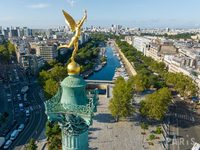














The completion of the major urban project launched in 1996 has revolutionised the image of the city and, further afield, of an urban community of 6060,000 inhabitants that stretches as far as Mérignac, Bègles and Pessac. The three tram lines, the development of the quays, the grooming of the facades in the historic centre and the regeneration of the Bastide district, on the other side of the Garonne, have all contributed to Bordeaux's metamorphosis, enabling it to pass on to other French metropolises the mistigraphic nickname of Sleeping Beauty.
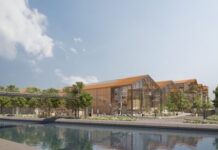
The story doesn't end there: in 2009, Bordeaux embarked on a second urban development project, which should see it gain a new business district called Euratlantique, close to the railway station, in line with the major rail project which, by 2015, will put Bordeaux just two hours from Paris.
An opportunity to discover the resources of a city that remains, first and foremost, THE capital of wine in the eyes of the world. It's a title that the Bordeaux region can lay claim to, with 700 million bottles produced every year and sales estimated at nearly 15 billion euros. It's a showcase, a beacon, but one that shouldn't cast a pall over the rest of the city, where we discover that alongside tradition, Bordeaux also cultivates modernity, supporting Toulouse's leadership in the aeronautics sector, ensuring its presence in the petrochemical and pharmaceutical industries, and maintaining a significant port activity.


