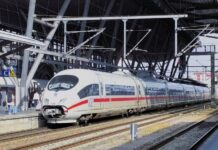


















For the third year running, the SNCF is rolling along in a greener-than-ever landscape, with the rail company posting a profit of 1.3 billion euros. However, this profit is less flamboyant than the 2.4 billion earned in 2022, the year in which the pandemic ended, even though sales continued to grow by 5.41TP3Q to reach 41.8 billion euros. As far as passenger transport is concerned, the SNCF can boast a real commercial success, marked by 6% increase in TGV traffic in France and abroad with a total of 156 million passengers, 5% for Intercités with 11 million passengers, 7% for regional trains (TER) and 6% for Transilien in Ile-de-France.
Despite " the rise in inflation costs and the impact on the accounts of the social movements of the 1st quarter "According to the activity report, these good commercial results - and the increase in fares! - have enabled SNCF Voyageurs and Keolis to increase their turnover by 10.4% and 6.6% respectively. It is also worth noting theexcellent performance by the SNCF Gares & Connexions branchThis is an increase of almost 10% due to the various services invoiced to the different railway companies (including its competitors) and income from the rental of shops in its stations, the largest of which have become veritable shopping centres.
Confirmation of the strategic plan
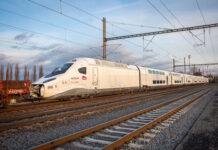
SNCF is also emphasising its sound financial health, with net debt down by €24.2 billion and positive free cash flow of €2.5 billion, double the figure for 2022. The performance plan has resulted in savings of €700m. This should give us the confidence to continue with our strategic plan, which aims to make the Group a "global player". champion of sustainable mobility" , à increase its investment in the renovation of the French rail network and its stationsto ensure the renewal of its rolling stock with the acquisition of new trainsets with a cost of next TGV M in particular. He went on to point out that this investment has reached a record level, at over €10 billion (of which €95% in France), a third of which is being paid for by the rail group, with the remainder coming from funding provided by the State, the regions and local authorities. To this must be added the billion euros also paid into the fund that the State has similarly decided to allocate to upgrading the national rail network.
According to Jean-Pierre Farandou, CEO of the SNCF Group, " 2023 is a historic year for rail and for the SNCF Group. The main priorities are taking shape with the approval of the 10-year strategic plan. It fits in perfectly with the "new railway deal" decided by the Government, with an investment plan of €100 billion between now and 2040. The SNCF Group is on board with this new rail revolution, with the ambition of doubling the share of rail by 2040: increased investment in the regeneration and modernisation of the rail network, acquisition of 5th generation TGV equipment, modernisation of technical centres, etc. This plan will help to make the train more attractive for the quality of life of as many people as possible." .
A greener SNCF too
The SNCF Group is also pursuing its commitment to the ecological transition. In particular, it is banking on the use of " low-carbon, sustainable electricity at controlled cost "The SNCF has also set up a subsidiary, SNCF Renouvelables, to cover its countless premises, particularly stations, with solar panels. The stated aim is to have 15 to 20% of green electricity by 2030. Other actions are also being undertaken, such as better water management to reduce water withdrawals, waste sorting, and the introduction of 100% trains that are virtually recyclable...
Already, despite the increase in its activity in 2023, the company has managed to cut its energy consumption by 7% in one year and reduce its greenhouse gas emissions by 8%. " The year 2023 was marked by the acceleration of our CSR strategy, whether in response to ecological or human challenges.said Jean-Pierre Farandou. In this way, we are making our contribution to the challenge of transition and energy sovereignty." . The SNCF group also points out that " 50% of its sales come from activities that have a positive impact on the environment, compared with 44% in 2022" . Once again, this increase is due to the good traffic results recorded by SNCF Voyageurs.
The rail group is cautious about 2024
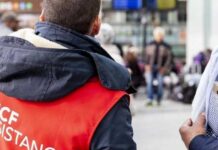
Although 2022 and 2023 marked a recovery in business for the rail group after the impressive Covid crisis, SNCF is cautious about the current financial year. The reason for this is the international geopolitical context, with the war in Ukraine and the conflict in Gaza, but above all the economic slowdown in France (with GDP growth down to 1.21TP3Q) and in Europe, which could affect not only passenger transport but also Geodis and Rail Logistics Europe for its logistics activities. Another unknown factor is the scale of any industrial action in the run-up to the Olympic Games. While controlling its costs (energy, works, etc.), the group nevertheless plans to step up its investments, to the tune of 11.7 billion euros this year. Prices for the Passenger business, they will be frozen for Ouigo TGVs and Intercités trains, while the increase should reach 2.6% for Inoui TGVs, in line with the expected rise in inflation.