

















In a yellow and black tide of hiccupping old taxis, a silent Bentley drifts by. In the streets, where a luxury hotel coexists seamlessly with a near-slum, a British gentleman meets a young woman in a traditional sari... We are in Bombay, a city of excess. This is the city where, in 2010, the most expensive 'house' on the planet sprang up, the Antilia Building, the imposing home of businessman Mukesh Ambani, estimated to cost around two billion dollars. An extravagance with 27 floors, three helipads, hanging gardens, a small museum and 600 servants... rising from the very heart of the slums. "Bombay was once made up of seven islands that were joined together, each with its own poor and rich districts. That's why the disparities have remained throughout the city, explains Kavita Sharma, Deputy Director of the Bombay Chamber of Commerce. But they are becoming increasingly extreme".
Wealth and squalor
 Under the impact of an ever-growing population, property prices are skyrocketing and it's not uncommon to see a doctor, lawyer or businesswoman returning in the evening to his or her clinker shack at the Slumdog Millionaire. While around a third of the 20 to 25 million inhabitants of Greater Bombay - estimates vary and are impossible to confirm - live in substandard housing, the city nevertheless has the highest per capita income in the country. In 2009, it reached 2,910 dollars, or 2,360 euros, almost three times the national average. "Maharashtra, India's third largest state, generates 23 % of the country's revenue and represents the highest contribution to its GDP"says Kavita Sharma.
Bandra Kurla is on the move

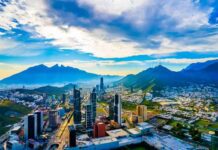
But out of all this chaos also emerges a phenomenal energy of life. Like in Bandra Kurla Complex, the new business district in the north of the city, where one big group after another is setting up shop. "This is where JP Morgan, BNP Paribas, Citigroup and Bank of India now have their headquarters".says Matthieu Lefort. This business district has become a financial centre, but also a diplomatic one, where consulates, notably French and American, formerly located in Colaba, at the tip of the peninsula, now stand side by side with the big hotels.

A symbol of this urban renewal, the Rajiv Gandhi Sea Link, a monumental toll bridge with twice four lanes inaugurated in March 2010, now links the historic southern quarter to the rapidly expanding northern districts of the city. An achievement, to be sure, but one that barely limits the formidable traffic jams experienced by Mumbaikars, the inhabitants of Bombay. In December 2011, there were more than two million vehicles in the metropolis. As a result, the major aerial metro project, launched in 2006 and on which work began in 2008, is becoming more urgent by the day. But the project is dragging on. And the budget overruns are piling up. Nevertheless, the first phase should open with a bang, with the inauguration of 60 km of lines. Despite these delays, which are partly due to a legendary administrative sluggishness, it must nevertheless be acknowledged that Maharashtra has the most developed and modern infrastructure network of the major Indian states, with 267,000 km of roads, 3,700 km of railways and the country's first toll motorway, linking Bombay to Pune, the industrial centre and second largest city in the region. Other projects such as the Delhi-Mumbai Industrial Corridor, a 1,483 km rail freight corridor, are due to come to fruition in the next few years, while the airport, which already accounts for the highest volume of international travellers in the country with 30.7 million passengers in 2011, is set to see its capacity increased by at least 30 %.
Le Goût Des Belles Choses
 Bombay has the resources to match its size. All the more so as the megalopolis, one of the most populous in the world, nonetheless captures 40 % of the country's tax revenue. Buoyed by this growing wealth, it is slowly turning its eyes towards products from elsewhere. This is certainly due to an industrial base that is not yet efficient enough to meet its enormous needs, but also to the gradual emergence of a middle class with a taste for the finer things in life. "India is the second largest developing market after China, so there's still a long way to go... Basically, it's the China of fifteen years ago".explains Matthieu Lefort.
Armed with patience

Some French companies are already banking on India's potential. "The Accor hotel group is posting growth rates of close to 20 % per year, with plans for 70 hotels in the country by 2017."says Matthieu Lefort. The key to success: patience in waiting for a return on investment. For Laura Prasad, Secretary General of the Indo-French Chamber of Commerce, Mumbai is a city with demographic, infrastructure and housing problems, but which also offers tremendous opportunities. "The Chamber is helping many SMEs to set up here, because while China is beginning to stagnate, India is showing growing potential.she explains. "Of course, the Indian market is very complex, but it is still possible to get round the difficulties, particularly by finding the right local partner".concludes the General Secretary. Especially as Bombay, as well as favouring consumer goods and finance, is clearly keen to develop the health, biotechnology, cosmetics, pharmaceutical and property sectors. Nothing concrete, of course, but in the capital of the Bollywood dream, all hopes are justified.


