

















Masks are compulsory, one train in two for daily journeys before rapidly increasing to three in four, and a limited number of TGVs: as information is provided to the various national newspapers, SNCF is setting out its transport plan for the coming year. After 11 May.
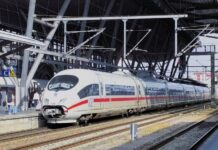
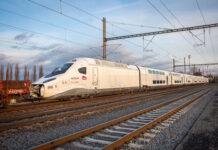
While travel will remain limited to 100km - except for professional reasons - until at least 2 June, the number of long-distance TGV and Intercity trains on offer should not exceed 20% for the time being, with a return to normal service not expected before the end of June. In order to respect the distance between travellersAs a result, one seat in two will be the rule on these trains, with reservations suspended when occupancy reaches 50 %. The company says it does not intend to pass on this enforced reduction in activity in its fares.
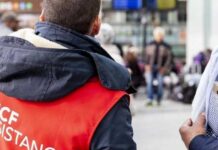
But it is above all the way in which people take the train that will be significantly altered compared with the "world before", with screening at station entrances and the introduction of the wearing a mask required both in stations and on trains. Systems will be put in place to manage passenger flows and ensure, as far as possible, a social distance on the platforms. The SNCF will also be installing 500 hydro-alcohol gel dispensers in 165 stations. However, the company is also inviting its customers to carry a bottle of hydro-alcoholic gel with them.
" We can't achieve this deconfinement without the help of our travellers "In an interview with Le Parisien yesterday, Christophe Fanichet, CEO of SNCF Voyageurs, outlined the measures taken to ensure passenger safety. Through the "responsible by train" charterThe SNCF lists a series of commitments to which the campaign intends to adhere, as well as others involving passengers, such as wearing masks and respecting barrier gestures.
The commitments made by SNCF include disinfecting trains and stations every day and providing accurate information to help passengers make informed decisions.avoid overcrowding on trains. As part of this, SNCF will publish the traffic status of TER trains in advance, similar to what was done during last winter's strikes. " We will be publishing the SNCF applicationHere you will find the timetables for all the trains running over the next three weeks, explained Christophe Fanichet in the interview. And on the eve of each journey, passengers will be able to find out how busy their train is. "Travelling at off-peak times, taking an earlier or later train whenever possible: new barrier-free practices are being applied to the rail world.