








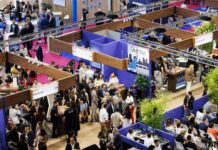







Put on hold for the last four years, the Coach Omnium dedicated to French MICE market is back in action, just like the business itself. A " resurrection "In the words of Marc Watkins, the firm's founder, this was made possible by a new partnership with the 1001 Salles Group. As experts in the sector have been able to see for themselves, the year 2022 marked a rebound in business. " The trend is positive: demand for MICE will rebound in 2022 compared with 2019, both from organisers and service providers. "says Perrine Edelman, Associate Director of Coach Omnium. " The vast majority of them say that the number of events in 2022 was the same or even higher than in 2019. We said that meetings would never be the same again, that the videoconferencing and the changes of habit had broken everything. But no! ". The figures bear this out: 44% of the companies surveyed mentioned a stable business compared with the pre-crisis period, and a third (33%) even show an increase. According to the authors of the study, this positive trend is set to continue, at least for the next few months: " In 2022 we saw a form of catch-up which should continue until 2023 ". Only 10 % of those surveyed expect business to fall this year, with the majority reporting stable (53%) or even rising (37%) figures.

So MICE is back, but not all players are benefiting equally from the upturn, as formats and expectations have changed in recent years. The average length of a MICE event has gradually decreased, and is now usually limited to one or two days. " It's quite simple: we've lost an average of one day's business meeting time in 15 years. "The authors of the study emphasise this, pointing in particular to the impact of working week reductions. As for the size of the events, the two most common formats bring together between 21 and 50 participants, and between 50 and 100 guests. " In other words group meetings with more than 300 participants are uncommon in frequency for companies based in France. This reminds us that creation of very large roomsThese are the kind of projects that are being planned here and there (convention centres), is less and less justified "the authors analyse.

Hotels popular, theme parks tumble
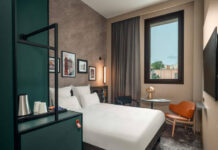
The spaces favoured by organisers today seem to be drawn more often than not from the hotel scene, as was the case before the range of options on offer expanded considerably. " The hotel industry is back en masse Two thirds of companies say they use hotels, which are the first place they turn to for accommodation. "says Perrine Edelman. The associate director of Coach Omnium analyses: " It's a practical venue because it combines catering facilities, rooms if required and a fairly professional service under one roof, as hotels generally have departments dedicated to MICE. Twenty years ago, over 90% of sponsors turned to hotels. It was massive. Then a lot of other venues started doing MICE, hence the fact that fewer hotels were chosen. In 2017, only 39% of sponsors used hotels. And we're now seeing a big upturn in the use of hotels. ". While hotels are coming out on top as a result of the new habits - particularly those in the 4 stars (66%) - another player is struggling to capture MICE business: theme and leisure parks. Perrine Edelman even mentions " a tumble "In 2005, the figure was 24%, down from 13%. And this despite significant investment, as she points out: " This may come as a surprise, given that the main theme parks are increasingly equipped with highly professional MICE facilities. ".
Another loser in this post-Covid MICE landscape is cultural activities and team building. According to the study by Coach Omnium and 1001 Salles, the "peripheral activities are the collateral victims of a tightening of budgets that was already palpable well before the health crisis: " Since the onset of the economic crisis in 2008 and 2009, which has affected many companies to a greater or lesser extent, the proportion of sponsors who include leisure, cultural or sporting activities in their business events has been falling steadily. "says the study, which refers to a " very sharp decline for over 15 years ". " Apart from the cost involved, peripheral services have a recreational character that is sometimes considered superfluous in times of crisis (moral or economic) or "tightening of the screws". "it says. Conversely, the environmental issue has continued to grow in importance. However, there is still considerable room for manoeuvre, since a quarter of the companies questioned (25%) would never include CSR criteria in their MICE specifications, and another quarter "...would never include CSR criteria in their MICE specifications. rarely "...