














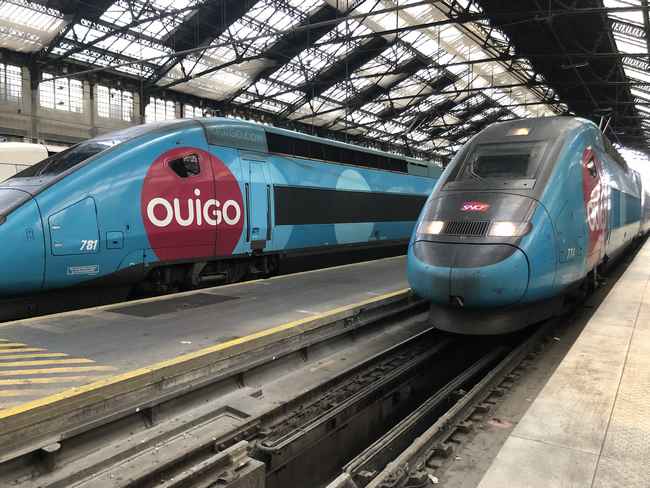
While Ouigo train tickets are now available from travel agencies in general and business agencies in particular, SNCF's low-cost offer has seen its prices soar since 2017, according to the latest study by the Fédération nationale des Associations d'usagers des transports (Fnaut). This rise in fares was already highlighted in a previous report based on data supplied by the French Transport Regulation Authority, and is confirmed by the figures for 2024.
In fact, Fnaut points to the 75% increase in the average price of a Ouigo ticket between 2017 and 2024, compared with only 8% for Inoui TGVs. The average price of a Ouigo ticket was €34.70 in 2024 (€19.80 in 2017), compared with €48.40 for a seat on an Inoui TGV (€44.70 in 2017). As a reminder, since the beginning of January, the maximum price of a Ouigo ticket has risen again, from €99 (and €109 for a journey of more than 4 hours) to €119. And it is now not uncommon to find a more expensive Ouigo ticket on SNCF Connect than a TGV Inoui ticket on certain services, due to the yield management system that controls bookings on the rail company's reservation platform.
Inoui TGV seat capacity has fallen by 13% since 2017
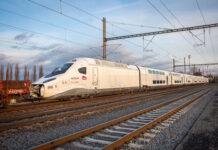
Above all, it seems increasingly clear that SNCF has favoured the development of Ouigo trains over the period to the detriment of the Inoui TGV, which has seen its fleet shrink and whose commissioning of the first TGV M will only be introduced at the beginning of July. Between 2017 and 2024, the number of seats available on Inoui TGVs fell by 13%, whereas it rose by 185% for Ouigo, according to Fnaut, which considers that this situation leaves fewer seats for holders of Avantage and Liberté cards.
To clear its name, SNCF points to the development of the Ouigo offer since its creation in 2013 and prices that were perhaps too low at the outset in relation to operating costs. " We have gone from the first Ouigo departing only from so-called secondary stations to departures from major Paris stations. We have moved from Ouigo trains that were concentrated on short journeys to Ouigo trains to destinations much further afield. These two facts, which are important and above all desired by our customers, alone account for 80% of the price increase in recent years. The last 20% of price increases are linked to rising costs" This weekend, Alain Krakovitch, Director of TGV and Intercités, explained the reasons for this new controversy, which comes after the controversy surrounding the so-called "no-kids" areas following the launch of the Optimum(+) class dedicated to business customers.
Ouigo still needs to increase its market share from 20% to 33% by 2030
This focus on Ouigo is reflected in the traffic figures, with the number of Inoui passengers increasing by only 1% over the period, compared with an explosion of 187% for the low-cost brand, rising from 8.7 million passengers in 2017 to 25 million in 2024. This shift is set to accelerate, with SNCF planning to invest €600m in the continued development of this service, operating a fleet of 50 trains in 2027 compared with 38 at present, and renovating around ten trains, which will see their capacity increased to 1,306 seats compared with 1,288 at present. SNCF expects Ouigo to account for a third of its traffic by 2030, with passenger numbers expected to increase by 30%.
Ouigo's market share was "only" 20% in 2024, according to figures from the transport regulator analysed by Fnaut. The market share of Inoui TGVs has fallen to 64%. In third place is Eurostar, strengthened by its merger with Thalys, at 7%, followed by Lyria at 4%. In 2024, Trenitalia and Renfe will still occupy a marginal position, with only 1% of passenger-kilometres transported. However, this figure is set to rise sharply in the 2025 report following the The French subsidiary of the Italian rail group is gaining momentum.