















We thought the Snowden affair was over, we thought we knew the main revelations about the practices of the US National Security Agency, better known as the NSA. In fact, the eponymous film about the famous whistleblower is playing in cinemas right now, proof if any were needed that the end credits had already rolled, and with them the denouement of this techno-diplomatic imbroglio? Not so... Le Monde today reveals that widespread spying by the American and British secret services has also affected French business travellers, among others. And with good reason: Air France is said to have been the prime target of a " programme to intercept mobile communications on board commercial aircraft "explains the evening daily.
[newsletter]
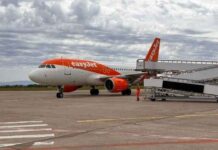
The French airline, like its partner Aeromexico - called "Air Mexico" in the published documents - was allegedly spied on in mid-flight by antennae hidden on the ground, 10,000 metres below. More than these two carriers, it was above all their passengers who attracted the attention of the Anglo-Saxon secret services. Smartphones that were switched on and had an Internet connection enabled the NSA and GCHQ to extract precious data. This data would have been cross-referenced with the flight's passenger list. Another, even more effective option: the British would have regularly "bugged" the phones, forcing users to restart them and enter their various identifiers...

The affair dates back to 2005, according to information from Le Monde and its partner "The Intercept". Fearing a new September 11, the American and British authorities took advantage of the boom in in-flight connection services. " What do Emirates, Wataniya Air, Air Blue and Royal Jordanian have in common? They are four of the twenty or so airlines that offer in-flight GSM communications. "explains one document dated 2010. " Other airlines offering [this service] or planning to do so include Libyan Air, (...) TAP Portugal, Air France and Lufthansa. As you can see, many of these airlines serve target regions".it goes on to say.
It's only a short step from imagining that the information collected went beyond the "simple" framework of anti-terrorism. The author of the report concludes: " Contact me if you'd like to find out more about analysing on-board GSM communications and how it can help you in your mission, or if you'd just like to know more. Yes, there's more... ".


