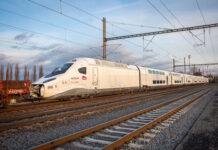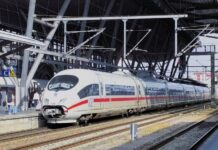



















Under the rather quirky code name of " Botox "The SNCF has unveiled plans to extend the service life of around a hundred TGVs, with the aim of increasing the number of seats by 15% by 2034. This facelift is one of the solutions chosen by the rail company to address the shortage of trains and seats, which explains the current high prices. Fares that have become excessive in the eyes of customers and are the subject of much criticism. To remedy this, SNCF has already ordered 115 TGV M trains from the Alstom group, for delivery between 2025 and 2032. These TGVs will have greater capacity, with 20% more seats than current TGVs.
This supply-side policy is all the more necessary now that SNCF's TGV fleet has fallen to 363 trainsets, compared with 410 trainsets in 2018. Despite this, SNCF claims to have succeeded in increasing its offer by 10% over this period thanks to the operation of a greater number of TGV Duplexes and larger capacity Ouigo trainsets. This drive to increase volumes is set to continue, with SNCF planning to increase the number of Ouigo TGV trains from 38 to 50 and " an increase in the use of materialsrolling stock".
Three quarters of very old, single-deck trains affected
At the end of the survey, which will be carried out at the beginning of 2024, 104 TGVs will be affected by this refurbishment, the majority of which will be upgraded. extended use from two to six years and ten years for 23 Duplex trains. The latter are more recent and more resistant, particularly to corrosion, thanks to their aluminium structure, unlike the double-decker TGVs whose interiors were designed in steel at the time. They will be reconfigured along the lines of the TGV Atlantique, and at the same time will benefit from a thorough inspection of their safety features. A necessity, given that this rolling stock will be used more and more.
Until now, the SNCF has been renovating its trains mid-life in its workshops before withdrawing them from service. after 40 years of loyal service. In fact, the TGVs that cannot be extended will be used as "shop trains" in order to re-use as many of them as possible as spare parts. The overall cost of the operation is estimated at more than €500m, including feasibility studies - three years for the TGV Duplexes - and then the four- to six-month renovation period for each train set. This last phase will begin in the technical centres in 2026 and be completed in 2033. In addition to a major improvement in on-board comfort for passengers, the trainsets will inherit the latest innovations in terms of reducing energy consumption.
Night trains and Intercités also upgraded
Faced with a shortage of available trains and the cost of buying new trains, the TGVs are not the only ones being upgraded to increase their longevity. By the end of 2023, SNCF will have completed its renovation programme for 93 Intercity coaches for the relaunch of night trains in France to the tune of €91m. At the same time, the company will also have launched work on its TER fleet, with 40% of trains due to be overhauled and renovated, an operation financed this time by the regions to the tune of €2.1 billion.