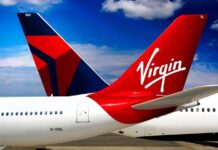
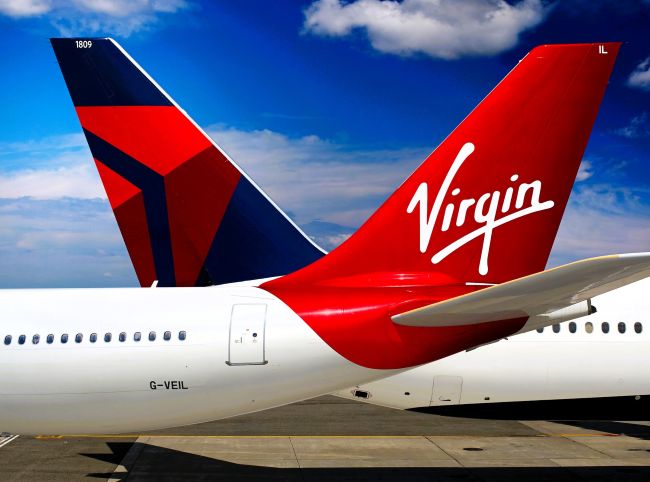
Since 2016, Delta and Virgin Atlantic They share London Heathrow’s Terminal 3, Delta being in fact the main shareholder of the British carrier with a stake of 49%. The presence of the two companies under the same roof effectively facilitates passenger transfers between the two companies, partners in a transatlantic joint venture launched in 2014. Their collaboration notably covers schedules, fares, networks and services for passengers, as well as the common use of check-in desks and lounges in the airport.
Delta's move to Terminal 4 would effectively disrupt this organization. Passengers connecting between the two carriers would have to take an inter-terminal shuttle and undergo security checks again. This would be an additional constraint that would only complicate travel, especially for customers making trips with multiple segments.
Some observers whisper that the airport’s decision would be strongly influenced by the British Airways lobby, the main competitor...
The stakes go beyond the mere organization of the terminals. The cooperation between Delta and Virgin Atlantic constitutes the only significant counterweight to the transatlantic partnership between British Airways and American Airlines. A physical separation could therefore reduce competition in one of the most fiercely contested air lanes in the world.
Delta denounces a «short-sighted» decision»
This decision is also causing outrage among Delta CEO Ed Bastian, who called Heathrow’s resolution « in the short term, deeply disappointing and unfavorable to consumers«It recalls that the two airlines have been welcoming millions of passengers for more than ten years in common facilities at Terminal 3, offering them convenient connections, premium services and access to an expanded international network.
Ed Bastian also claims that Delta intends to use all available means to get Heathrow to reverse its decision.
Virgin Atlantic shares this concern. Its CEO, Corneel Koster, believes that this separation will « creating friction for customers, weakening competition and reducing choice ".
Even the founder of Virgin Atlantic, the charismatic Richard Branson, has also weighed in. He believes that this decision risks limiting consumer choice and driving up prices, also describing Heathrow’s decision as short-sighted and ill-judged.
Heathrow defends its reorganization
The British airport rejects these criticisms and advocates a more effective redistribution of its capacity. According to its management, the changes are the result of consultations with airlines and are intended to improve passenger flow, reduce congestion, and strengthen operational resilience.
Delta’s transfer is part of a broader reorganization: Finnair and Japan Airlines will also move from Terminal 3 to Terminal 4, LATAM will join Terminal 2 from Terminal 3, while China Southern will leave Terminal 4 for Terminal 5.
Heathrow claims that this new distribution will allow it to absorb the growth in traffic while keeping costs under control for passengers.
There remains an essential question for travelers: does optimizing infrastructure justify complicating the connections between two companies that specifically built their partnership around the fluidity of transatlantic travel? A key asset remains in the hands of the Delta/Virgin duo: the ability to be two large airlines for the London platform, which can hardly ignore them...