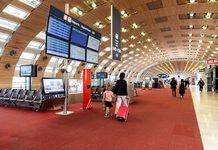
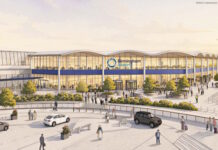










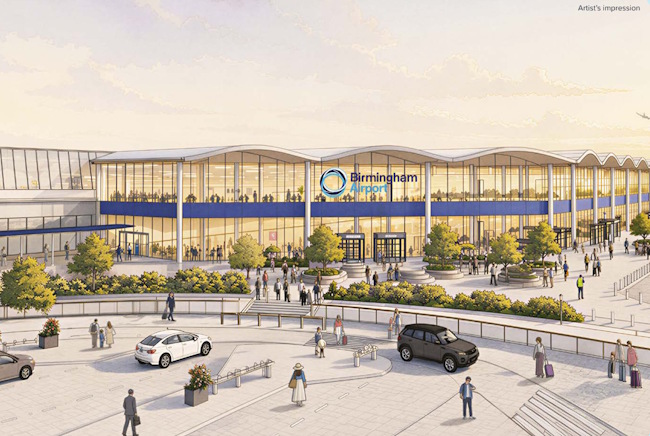
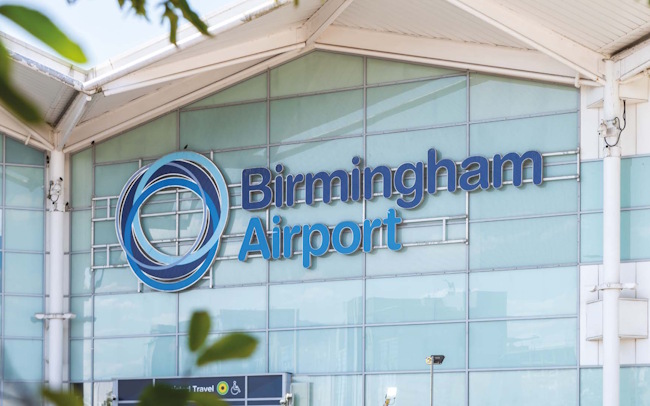
Birmingham On October 8, Airport presented its 15-year Master Plan. The airport plans to keep its current runway, without building a new one. However, it plans to expand its passenger facilities and improve its ground handling services. According to its estimates, the project will generate an additional 3.6 billion pounds (approximately 4.3 billion euros) in gross value added for the West Midlands. It will also create more than 50,000 jobs, including 3,800 at the airport site. The plan also aims to involve more local residents, with growth presented as « responsible and sustainable ".
" The £2 billion investment proposed is unprecedented for Birmingham Airport and will bring us closer to 30 million passengers. », declares Nick Barton, Managing Director of Birmingham Airport Limited.« This level of ambition sends a strong signal of support and confidence in our airport and our region ». He emphasizes the platform's economic role: « Birmingham being the second city in the United Kingdom, our projects will contribute to ensuring continued growth in the region, to the benefit of more residents and businesses in the West Midlands, through new jobs, better transport links and enhanced connectivity. ".
A first phase starting next year
The first work could begin next year. It will focus on baggage handling, reconfiguration and the addition of aircraft parking positions, ground access and the terminal. In addition, an eight-week public consultation is open. The public can contribute online, by mail or at 20 meetings, the first of which will be held on October 16 in Hampton in Arden. A final report will be published in 2027. It will detail the issues raised, the consideration of opinions and their influence on the final Master Plan as well as on the funding commitments.
The mayor of the West Midlands, Richard Parker, supports the project.« This ambitious Master Plan and the investments it will bring represent a tremendous boost for the economy of the West Midlands. It is expected to create thousands of new jobs, better international connections, and unlock essential support for local businesses and supply chains,» he assures. «This consultation gives residents and business leaders the opportunity to voice their opinions and contribute to shaping the expansion of the airport, so that it brings lasting benefits to our communities.” ".
Taxation is a prerequisite for investment
The airport, however, is accompanying its plan with a call on the government. British airports are facing reassessments of their tax base, and Birmingham’s professional property tax has already doubled. « However, the implementation of this plan depends on a fair and stable fiscal environment. It is normal to expect that investments will generate returns. »«, emphasizes Nick Barton.« This Master Plan project comes at a time when the airport is facing an increase in its operating costs related to employment, energy, and taxes. ». He warns: « Unless fiscal and regulatory environments become more favorable and stable for large infrastructure investments, these projects may not materialize. ".
For her part, Transport Minister Heidi Alexander expresses her support without directly addressing taxation.« The Birmingham Airport Master Plan will be a tremendous boost for the West Midlands, unlocking investment and creating 50,000 well-paid local jobs to bring people back into work,», she-declares. From the Midlands to the North and beyond, we support the expansion of airports that promote prosperity in every corner of Great Britain, while making flights cleaner thanks to more than 219 million pounds [approximately 260 million euros, ed.] invested in green fuels ".