















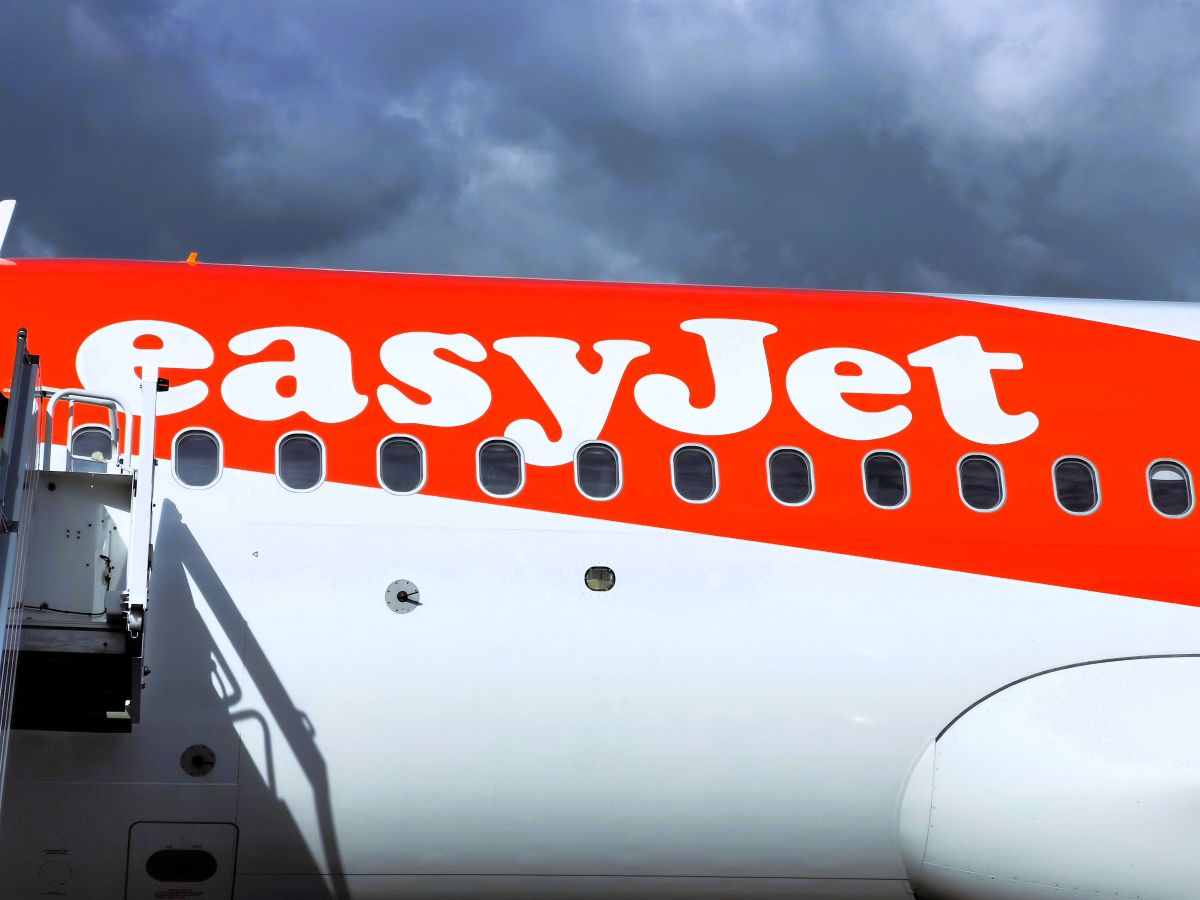
Facing a barrel of crude oil above $100 for more than a month, easyJet has decided to remove some 700,000 seats from its winter program. The surge in fuel prices for aircraft, which few strategists had anticipated lasting for such a long period, is effectively intensifying pressure on European airlines, raising new concerns about air travel in Europe and prices…
This is a second round of cuts for easyJet. During the summer, the low-cost British airline had already made a first reduction in its seat capacity. It had announced that it would eliminate 700,000 seats, bringing the total number of seats withdrawn from the winter schedule to almost 1.4 million, according to the Financial Times.
Explaining its decision during the summer, the company had stated that these were temporary suspensions on several European routes. The most spectacular news was the announcement of the closure of its Leeds Bradford air base in the United Kingdom on January 5th. This will notably result in the discontinuation of the Paris-CDG-Leeds route.
The latest cuts highlight the growing pressure on European leisure airlines as they prepare for the traditionally weaker winter season. Moreover, they have had little opportunity this year to hedge their fuel supply by purchasing it in advance. Reducing capacity during periods of low demand can thus help protect margins.
easyJet has not yet identified all the routes affected by this new capacity reduction. But a quick announcement is expected, as the IATA winter schedule comes into effect on October 27th.
The low-cost airline is not the only one to reduce its offer. Its competitors Ryanair and Wizz Air have announced similar measures. Ryanair CEO Michael O’Leary warned this week that higher fuel costs for war-related aircraft could continue until 2028. And warned that airlines could have to significantly increase fares next summer if cost pressures persist.