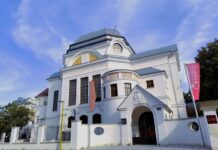


















On the one hand, there's Buda, the castle hill where the various dynasties that ruled Hungary settled and which has now been transformed into a museum city. On the other is Pest, the intellectual city with its spectacular architecture, including some remarkable Secession-style buildings. In the middle, the majestic Danube. But springing up everywhere from the depths of the city are its precious hot springs, rich in magnesium and sulphur, which have also made the Hungarian capital famous since Roman times. These unique waters have stood the test of time. The city's finest thermal baths are a legacy of the Turks, who invaded part of Hungary in the 16th century. Later, dignitaries from all the satellite countries of the Soviet Union were quick to take advantage of them.
An enduring tradition
This spa tradition continues today. "It's funny how modernity and thousand-year-old baths go hand in hand in Budapest. Young people have not deserted them, quite the contrary. Elsewhere, the image of thermal baths is generally associated with the 'elderly' and the less-than-glamorous medical treatments, but in Budapest it's quite the opposite! These establishments can be made private for an evening, with a sound system and DJ. The waiters even go so far as to serve in the swimming pools... Films can be shown, anything is possible," says Ferencz Ybl, organiser of cultural events in Budapest. There's something for everyone: some of the baths are designed for an older, traditional clientele; others are perfect for evening events, cocktails and, of course, dancing. It's unique in the world and we're getting more and more requests.
The Magyar capital can be visited through its baths. Most of them are located in Buda, where the famous hot springs gush out with water that can reach 100°C. In Roman and Turkish times, it was quite common to bathe in the company of permanently installed frogs. But those days are long gone: hygiene and safety are very strictly supervised by an administration that monitors the standards associated with the town's thermal activities. The Gellert baths remain the Hungarian capital's most famous showcase. The spring has been exploited since the Middle Ages, but the current buildings date from the early 20th century, when the Hotel Gellert was built. This palace, which would welcome renovation, was once a favourite stopover for travellers on the Orient-Express. However, the baths have retained all their splendour, with period furniture, colourful mosaics, marble pillars, stained glass windows and Art Nouveau sculptures. Ferencz Ybl continues: "The Gellert baths are often hired out for events and incentives. The spaces are vast, so it's easy to receive groups and hold a cocktail party in one of the lounges overlooking the magnificent swimming pool. In fact, some groups don't want to use the pool, but just enjoy the unique atmosphere. A place steeped in history, the Gellert is ideal for this. You can, of course, hire a tour guide. Anecdotes abound.
In 1931, for example, the authorities welcomed a black doctor of Cuban origin who had initially been refused access to the baths under pressure from some American guests. The hotel management did not give in and the Cuban doctor was allowed to use the swimming pool like everyone else. The entire modern history of Budapest can be read within the walls of the hotel. It is also worth remembering the work of New York artist Matthew Barney. He filmed one of his works there - Cremaster 5 - featuring strange naiads emerging from a pool filled with pearls. This magical, imaginary world lent itself perfectly to the ambience of the Gellert. "Party planners can come up with different themes," says Ferencz Ybl. The second thermal icon is in Pest with the Széchenyi baths, an exception on this side of the Danube where hot springs are very rare.
Széchenyi is one of the largest spa complexes in Europe. Three pools, two of them outdoor, are open all year round. In winter, a voluptuous cloud of steam embraces the bathers at all times. The neo-baroque building resembles a fairytale castle. It was designed in two phases: 1913 for the baths and the 1930s for the part known as "the beach". The place is famous for its chess players and their long games played in 38-degree water. Here too, numerous events can be organised. Everything can be reserved for private use outside spa hours - the baths are reimbursed for Hungarians, the benefits of these waters being no legend! - . Numerous terraces overlooking the pools are available for parties and cocktails.

Enchanting events in historic thermal baths
Not far away, Vajdahunyad Castle can also be hired to continue the event. The ideal setting for a gala evening, this castle combines all styles: its façade is Baroque, but the chapel is Romanesque, while a Gothic tower dominates the ensemble. It was built in 1896 to commemorate the Hungarian millennium, reflecting all the country's architectural styles.
Other baths - dating from the Turkish period - are ideal for private events. The Rudas baths, for example, are a popular venue for parties. The baths are over 500 years old, and the huge dome housing the main pools dates from that period. Almost nothing seems to have changed since then. Until recently, the baths were reserved for men, but now they are open to both men and women on certain days of the week. But above all, the place has become fashionable again. Many private parties are held here, including techno parties on New Year's Eve and the 'Sparty' parties at Rudas. These are typical of the festive use of the venue. The success of these themed evenings, which bring in acrobats, jugglers and trapeze artists against a backdrop of pyrotechnics, is immense. The pools and baths are filled with balloons, while music fills every space. You can use it as inspiration for incentives or even smaller events. Renting them out poses no problem, and is even a new source of income, very useful for the maintenance and renovation of the facilities.

Treasure hunt through Budapest
The Lukacs baths, meanwhile, have retained a very strong spa and even medical identity. You drink the water from the springs. The population is more local, older and more traditional. In contrast to Rudas, it is fashionable to be totally discreet, even absolutely silent. The baths are well worth a visit, however, as they are part of the Hungarian capital's historical heritage. During the Iron Curtain years, intellectuals liked to meet here discreetly. Most of the cafés were closed by the Communist authorities.
Even today, the Lukacs baths remain a place where intellectuals and writers like to meet. Although the place is not very suitable for private visits, these listed thermal baths, built by the Turks and restored in the 19th century, do make a perfect stop-off point. In any case, the activity of the baths - of all baths - lends itself perfectly to the incentive experience. Event organisers are also adding historical tours and treasure hunts through Budapest's heritage. The latest trend is to organise events in the capital's ephemeral bars: these "ruin bars" are set up in buildings that are currently being renovated. The atmosphere is unique, with concerts, film screenings and lively table football sessions. The perfect break between dips in the hot water...
Special report - Budapest: Magyar baths in the capital
- Budapest - Magyar baths in the capital
Eszter Toth - Sales Director, Dynamic Tours