






















On 22 November last, COP 30 came to an end in Belem, Brazil. That's two years, almost to the day, after the start of COP 28 in Dubai. From the Amazon to the Emirati desert, a single guideline for the world is emerging, a single imperative: to reduce our dependence on fossil fuels. Any resemblance in this context to the history of the Emirate is perhaps not so coincidental. Anticipating the end of the oil bonanza, Dubai had set itself the ambition of becoming a key tourist hub, which it already is, but also "the world's most important business centre" by 2033, according to the wishes of Sheikh Mohammed ben Rachid Al Maktoum, in order to celebrate the emirate's 200th anniversary in the best possible way.
But in the face of climate change, the future of a destination can only be sustainable. To keep pace with its growth - nearly 6 million people are expected to live in the city by 2040, compared with 3.3 million today - Dubai has also embarked on a number of eco-responsible initiatives. In particular, the national Dubai Can initiative has supported the deployment of water stations in the city, as well as limiting the use of plastic, with millions of single-use bottles having been eliminated. At the same time, the creation of an immense artificial coral reef along the coastline aims to develop biodiversity.
Similarly, its urban development master plan envisages that, by 2040, natural areas will have doubled in size, with, among other things, green corridors linking the main urban areas. Obviously, the emirate, which has based its prosperity on black gold, cannot claim to be as virtuous in this area as the Nordic countries. But you don't have to hope to succeed. Dubai has already reduced its carbon emissions by more than 20% since 2021, and has clearly stated its ambition: to achieve "net zero emissions" by 2050.
Why choose Dubai for responsible MICE events?
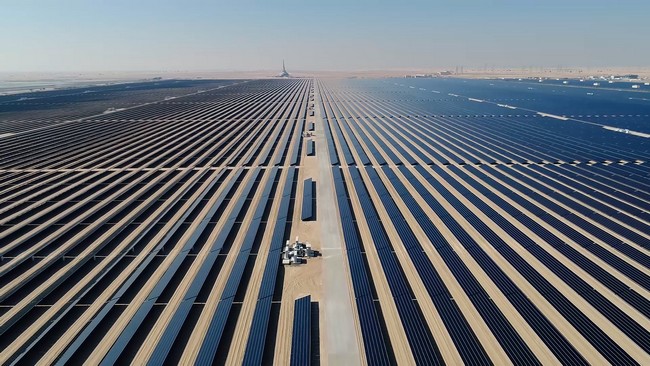
This desire to have decarbonised energy by 2050, 100% from clean sources, is reflected in the development in the middle of the desert of Mohammed bin Rashid Al Maktoum Solar Park, which will be the largest photovoltaic solar power plant in the world when completed, with a production capacity of 5 GW. In addition to this pillar of the Clean Energy 2050 strategy, which will also power a green hydrogen production plant, a hydroelectric power station in the Hajar mountains was commissioned last spring.
(Photo by Katarina Premfors /Expo 2020 Dubai)
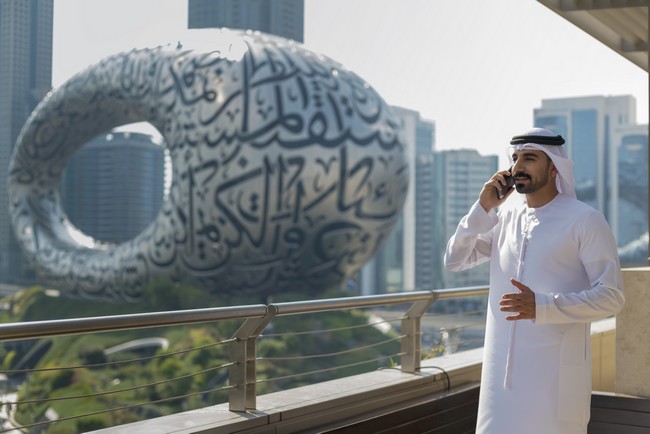
For event organisers, this development is a response to their search for responsible destinations in which to bring participants together. Because tourism in general, and business tourism in particular, are part of the Emirate's sustainable ambitions. More than 80 hotels in the emirate now carry the Green Key label. In parallel with this international label, the Dubai Department of Economy and Tourism (DET) launched the Dubai Sustainable Tourism Stamp in 2023, recognising the commitment of establishments to adhere to 19 Sustainability Requirements. This "label" has also been awarded to more than 70 hotels in the city. Hotels will also be able to take advantage of the Plant The Emirates programme, aimed at boosting the development of 'organic' farms, to offer their customers sustainable, local catering.
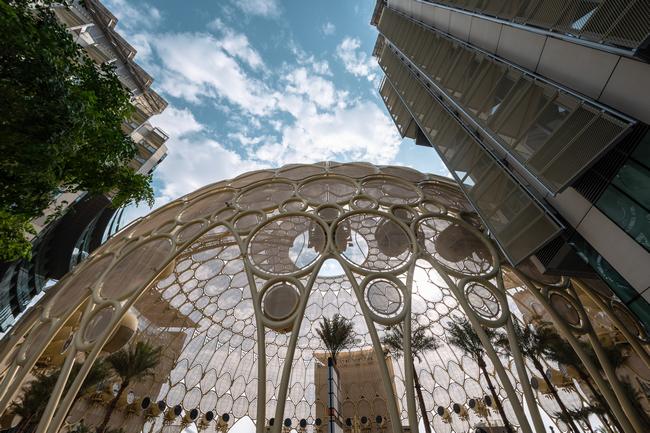
The Dubai World Trade Centre, the largest convention centre in the Middle East, also boasts Green Globe certification, while the beating heart of Dubai's MICE industry, Expo City, which hosted COP28, is home to 123 LEED-certified buildings, one of the highest concentrations of certified energy-efficient buildings in the world. With the 'Terra' pavilion, host of the World Expo in 2020 and the COP two years ago, as a symbol of the energy transition underway in Dubai, the venue continues to raise awareness among new generations of the planet's main challenges through immersive experiences; or how to combine technology, heritage and a vision of a sustainable future.
