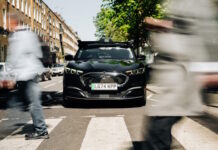

















With the gradual switch from oil to electricity, the car is about to undergo a revolution... and not just in its propulsion system. The real transformation will also be electronic. Chips, sensors, detectors, lasers and cameras will take the wheel. These technologies will turn the car into a real communication centre, for the safety and well-being of the driver. If that term is still appropriate to define the person who sits behind the wheel of a connected, intelligent car. Zero accidents, zero emissions: the car of the future is here to stay!
Urban mobility
 Saturated city centres, stricter regulations, changing attitudes: all these factors are contributing to the development of car-sharing.
Carmakers and rental companies are already getting in on the act, and the Autolib concept is beginning to be exported. At a time when urban centres are facing tighter emissions restrictions, electric vehicles are ideally suited to this type of use. Google's plans point to another major innovation: the driverless taxi. A full-scale experiment will take place in 2015 in Milton Keynes, UK.
The motorway, an era of rest
 Tomorrow's motorways will be long, safe and smooth, thanks to communication between vehicles and with the surrounding infrastructure. In concrete terms, Volvo plans to use these roads of the future to form convoys of cars that automatically follow a lead vehicle. Mercedes and BMW also believe in the autonomous car and have carried out full-scale tests. Fitted with cameras and sensors, a car is capable of adapting to traffic, reacting to unexpected situations and choosing the best routes, all without driver intervention. Worrying, isn't it? On the contrary, the majority of accidents are due to human error.
Google, the computer is on the road
Autonomous cars, simple gesture controls: Google is taking a close interest in the car of the future. Want to open the window? Just wave your hand in front of it... A final step before telepathic commands? Be patient, it could happen one day!
Fuels: the current is flowing
 It's obvious that oil will eventually be reduced to the smallest portion, due to its CO2 contribution to global warming and its polluting gases. But one thing is also certain: we are only at the beginning of the transition to electricity. There are still many constraints on all-electric solutions: range, distribution, costs, weight, recycling, safety, etc. Petrol or diesel/electric hybrid vehicles are therefore a first step, with the prospect of reducing fuel consumption to 2 litres/100 km in 10 years' time. While electric cars with batteries are already on the road, a range equivalent to that of a petrol car will only be achieved once fuel cells have been developed, like a mini power station running on hydrogen. The aim is to have comparable - and affordable - costs for these different alternatives by 2025.
Special report - Business travel in the future
3 questions to Rainer von Wrede, Airbus
The hotel of tomorrow: the keys to the future
3 questions to Christophe Pillet, interior designer and architect
Funny Machines: A Space Odyssey
Funny machines: the design of the future
The future of cities: megacities in position
- Intelligent cars: sensors at the wheel