









How would you sum up the new KDS Neo product?
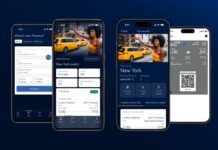
KDS Neo instantly provides the entire door-to-door itinerary in one click, directly displaying the total cost of a business trip, both the price of the transport and hotel reservation and the anticipated cost on site. We've reached a new level of simplicity for the business traveller, with an unprecedented offer.
What next for KDS?
We have a few projects that I can't reveal yet. But what we've managed to do for door-to-door business travel, by integrating all the data instantly and intuitively, we're going to do for travel expenses. We'll be talking about this next year. Generation Y has taken on fundamental importance for companies like ours, specialising in new technologies. Our customers want to click less, to have an intuitive platform, and we have to design our products by putting ourselves in the place of the user so that they have virtually nothing to do, by achieving total simplification.
You opened the KDS Now conference by describing it as "a fantastic year": this contrasts with the current gloom in the industry...
2012 was a difficult time for everyone, but it was a positive year for KDS, because people still need and want to travel, to do business, to see their teams. This is precisely why new products like KDS Neo are so important: they give Travel Managers real visibility over the sums spent on each business trip, and so help them to be more efficient. When the economic climate is difficult, our customers can rely on us to identify the best options: taking a taxi or not, choosing one hotel rather than another, depending on their expectations and constraints. We can really help our customers save money.
How do you view business travel in France?
It's an interesting market, much more concentrated than for neighbouring countries such as Germany, which has three or four major hubs for business: in France, 80% of business is concentrated in Paris. From the point of view of travel management, the French market gives pride of place to consensus. When you want to change a programme to improve it or reduce costs, it involves a process that is... let's say democratic. A lot of discussions have to take place, and a lot of people have to be on board with the change. So it's a challenge for French companies to be able to react quickly, when the economy is changing so fast.


