
















Prague is one of Europe's most beautiful cities in terms of its history, arts and architecture. Which can also make it seem frozen in time. But is this really the case?
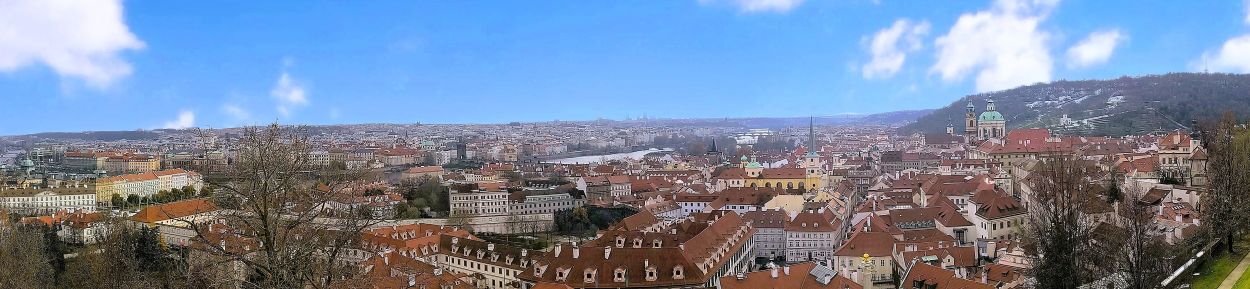
Roman Muska- In fact, a lot is happening. Admittedly, you might get the impression that for 20 years, nothing - or almost nothing - has changed in terms of construction or major infrastructure in Prague because of the city's historic character. Development has therefore always been approached with caution. But over the last five years, the pace has accelerated spectacularly. He y a eu many from changes. Vast metropolitan projects have been launched and, above all, many brownfield sites - often surprisingly close to the historic centre - are being converted. Entire districts are being transformed, with new districts, new residential areas, office hotels and public spaces. In short, Prague is on the move, and that's a great thing, because it's repositioning our city.
You think that he y a complete reappraisal of Prague's image in the eyes of business tourism players ? Are we witnessing a 'revolution' in our understanding of the destination?
Where is this metamorphosis best expressed?
And what changes have been made to event venues?
Roman Muska- I've just mentioned the 7th arrondissement and its exhibition centre. The city of Prague, which owns the exhibition centre, is investing heavily in it. Its emblematic historic building, the largest on the site, is currently being renovated and is due to reopen in September 2026. It will become a multifunctional space ideal for major congresses, corporate events and gala dinners, combining historic architecture with cutting-edge technology. The central hall previously accommodated around 1,700 to 1,800 people in theatre configuration, and the two wings are even larger. It will now be possible to hold a seated event for more than 1,000 guests in a single room. This is a capacity that Prague has lacked until now.
How is the MICE sector keeping up with these developments?
Roman Muska- We are thus witnessing a profound redefinition of what MICE can bring to Prague, and how the city is adapting to it. The city has ambitious plans to extend the city centre through new structuring projects integrating all the functions of a contemporary city. Not everything has been finalised yet, but I think we'll have several announcements this year about these new districts. They will complement the historic centre. Hotel investments are a good indicator of the confidence that economic players have in Prague as a destination. Many international hotel brands are now present here. With a particular focus on luxury hotels, a segment in which we had relatively few players. In recent years, we have welcomed prestigious brands such as Andaz, Fairmont, Four Seasons, Mandarin Oriental and the future Intercontinental. In fact, Prague has never been such an attractive venue for meetings and conferences.
How would you assess the past year for the events and MICE sector?
Roman Muska- We do not yet have the final figures, but we are expecting results comparable to those of last year, which was very solid. The number of meetings has not yet returned to the record level of 2019, but overall tourist numbers have already returned to their pre-pandemic level, belying the concerns we had at the start of the conflict in Ukraine. If there are no major geopolitical events, we expect this growth to continue.