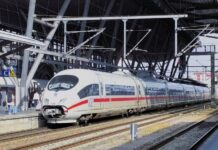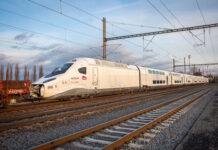


















Under study since it was announced by Nicolas Sarkozy in 2009, the New Paris-Normandy Line (LNPN) project is making slow progress. Deemed a priority by the Normandy region, its aim is to create a new rail service for the Seine Valley by the end of the 2030s, between Paris and Le HavreThe aim is to offer this catchment area of 30 million inhabitants more trains, and above all faster trains, capable of travelling at speeds of up to 250 kph. It is also a way of overcoming the current bottleneck between Saint-Lazare and Mantes-la-Jolie stations. Two new sections would be built, from Nanterre to Mantes-la-Jolie and from Rouen to Barentin.
The public enquiry is due to be launched in 2026, but the LNPN project must take into account the opposition of the mayors of the twenty or so communes in the Yvelines region that would be crossed by this future rail link. Valérie Pécresse, the President of the Ile-de-France region, has also clearly stated her opposition to the project. its hostility to the LNPN. Unless the "Nomad" TERs in the Normandy region continue to serve the stations on the route located in the Ile-de-France region, which would result in slight improvements in journey times to Rouen or Le Havre.
A new station for Rouen in the pipeline
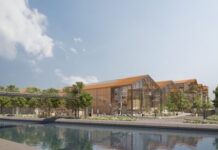
As part of the LNPN project, a new SNCF station is to be built in Rouen, on the left bank of the Seine. Named Rouen Saint-Sever, the station will be built on a 12-hectare site that used to be a goods station before the war, but was destroyed during the bombing of the Normandy capital. Rouen Saint-Sever should be at the heart of a new mixed neighbourhoodThis completely reconfigured development will combine housing, offices, shops and urban facilities.


The construction of Rouen Saint-Sever station is deemed necessaryWith the opening of the LNPN at the end of the 2030s, the current Rive Droite station will be unable to absorb the expected increase in traffic. Traffic would rise to 11 million passengers a year, compared with 7 million today at the current Rive Droite station. The latter station would nevertheless be retained, despite a sharp fall in traffic.
In the meantime, this historic building will be enjoying a final return to favour with the creation in the next few years of a Metropolitan regional express system (Serm), a kind of metropolitan RER service in France's largest cities, funded by the French government. This service would then transfer to the new station, making it more efficient thanks to a real interval train service.