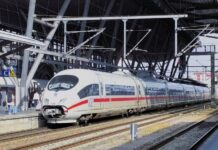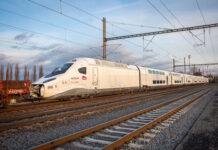


















84.3% of trains arrived on time. This figure, the Deutsche Bahn can only dream: it was 20 years ago, in 2004. Two decades on, the German rail company's record on train punctuality is appalling: 62.5% ICE (high speed) and IC trains arrived on time. In other words, no more than six minutes behind schedule. A poor performance, the worst in 21 years.
In fact, train punctuality has steadily deteriorated over the last three years This will mean 65.2% in 2022, 64% in 2023 and 62.5% in 2024. According to DB management, this level of delay has resulted in hundreds of millions of euros in compensation for users.
" 80% of all mainline delays are due to obsolete infrastructuresubject to breakdowns and overloaded "A railway spokesman told German radio station Deutschlandfunk. To which must be added last summer's floods, which damaged part of the network, particularly in southern Germany.
A note of optimism nonetheless: trains on regional lines are fairly punctual. Last year, 90.3% of them were on time, compared with 91% in 2023.
Berlin-Hamburg to undergo renovation by 2025
But Deutsche Bahn is not standing still. It invested a record 17 billion euros in its infrastructure last year. More than 1,500 km of track will undergo major renovation between now and 2027, which should enable trains to be more punctual. from 75% to 80% "according to the DB spokesman on Deutschlandfunk. By 2030, 41 busy corridors are affected by rebuilds.
Until 2027 and especially 2030, passengers on German rail lines will have to be patient. Reconstruction of the rail corridor linking Berlin to Hamburg will begin in August. This 278 km route is one of the most congested on the German rail network. There are 230 trains and up to 30,000 passengers a day. A provisional route will increase journey times between the two cities by an average of 45 minutes. This means a journey time of 2.5 hours instead of 1 hour 45 minutes.. The work will last until April 2026.
The renovations will also affect another corridor. The one linking Oberhausen in the Ruhr to Emmerich near the border with the Netherlands. A route 70 km long...