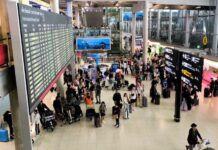
This 18 January marks the entry into force of even more radical new restrictions in the UK. The country is overwhelmed by the surge in cases of covid-19. With almost 90,000 deaths and 3.5 million positive cases, the UK is the worst affected country in Western Europe.
The British government has taken the measure of the danger. It announced on Friday 15 January emergency border measures to prevent the spread of new variants of coronavirus in the UK.
Since 4am on Monday 18 January, all travel "corridors" with the UK have been suspended. These had been in place since July 2020 and included the countries of the European Union.
For all international travellers from countries outside the "Common Travel Area ("Common Travel Area"), a pre-departure test and a 10-day isolation period have become compulsory. The United Kingdom uses the term "Common Travel Area" to refer to domestic travel between Great Britain, Guernsey and Jersey, the Isle of Man and Ireland. For Ireland, the Common Travel Area also applies to the Republic of Ireland.
EU travellers affected
All nationals of other countries outside this zone must therefore be placed in quarantine as soon as they arrive. This measure also applies to British and Irish citizens.
The country has stepped up checks on travellers entering the country to ensure that they are complying with the law. The British government says this is a temporary measure.
The government will review and adapt its measures on 15 February. The country continues to work on accelerating its vaccination programme. It will also be taking appropriate measures to deal with the threat posed by variants of the coronavirus. In the meantime collapse for the last ten days of the air and rail traffic to the UK.