


















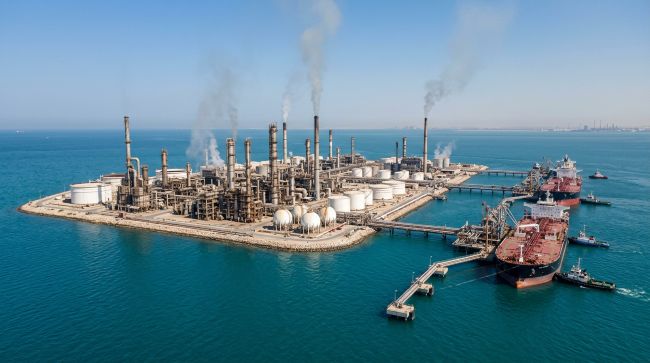
Attending an IATA conference in Singapore, the Reuters news agency reported that the Director General of the International Air Transport Association (IATA), Willie Walsh, stated that even if Iran reopened the Strait of Hormuz, it would take months for kerosene supplies to return to normal. The reason for this is disruptions to refining capacity in the Middle East. According to experts, the oil production capacity of countries in the Middle East has been reduced from 25%to 80%. Last week, French Economy Minister Roland Lescure indicated that 30% to 40% of the Gulf's refining capacity had been destroyed.
Oil has fallen below USD 100 a barrel for the first time in about ten days, after US President Donald Trump announced he had accepted a two-week ceasefire with Iran, subject to the immediate and secure reopening of the Strait of Hormuz, which normally carries around one-fifth of global oil trade.
Willie Walsh stated to reporters in Singapore that he expected crude oil prices to fall, but that aircraft fuel costs should remain slightly elevated due to the impact on refineries.
" If the strait were to reopen and remain open, I think it would still take several months to get back to the situation where supply needs to be, given the disruption to refining capacity in the Middle East, which is a critical part of the global supply of refined products, not just jet fuel, but for other products as well, » stated Walsh.
Air traffic in Asia particularly affected
Airlines across Asia are currently the most affected. They have reduced the number of flights, been forced to board extra fuel from their home airports and added stops to refuel. This is happening even as the conflict in the Middle East is squeezing jet fuel supplies. This also limits the seat capacity offered by Asian airlines, pushing airfares up. Last weekend, Indonesia authorised a 13% increase in domestic flight prices, while AirAsia, after announcing it would increase its fares "only moderately," decided to increase them by 30% to 40% and double its fuel surcharge.
In fact, it is low-income, import-dependent markets such as Vietnam, Myanmar and Pakistan that are suffering the most. China and Thailand have indeed suspended their kerosene exports, while South Korea has capped deliveries at last year's levels.
If crude oil were to start flowing again, I would like to think that China, as well as South Korea, would resume their refined product exports.stated Willie Walsh.
For the Director General of IATA, increasing refining capacity, once the return of crude oil into circulation is confirmed, will take time. With airfares remaining high for the coming months.
(Source: Reuters)

